


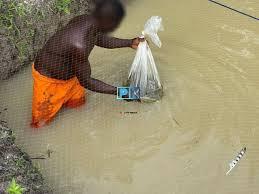
In a renewed effort to promote rehabilitation and reduce repeat offending, 16 former inmates in the Federal Capital Territory (FCT) have received fish tanks, ₦50,000 cash grants, and other vocational support materials to help them establish sustainable livelihoods after their release from correctional facilities.
The empowerment initiative forms part of broader efforts by correctional authorities, development partners, and community stakeholders to support the reintegration of former inmates into society and provide them with opportunities for economic independence.
Beneficiaries were provided with tools and resources tailored to various vocational skills, including fish farming equipment and financial support intended to help them start small businesses and generate income.
The programme reflects growing recognition that successful rehabilitation extends beyond incarceration and requires practical support to help former inmates reintegrate into society.
Sixteen ex-inmates in the FCT benefited from a post-release empowerment programme that included the distribution of fish tanks, starter packs, and cash grants of ₦50,000 each.
Organizers said the initiative was designed to equip beneficiaries with the resources needed to establish income-generating ventures and reduce the challenges often faced by individuals returning to society after serving prison terms.
The support packages reportedly included vocational tools and business materials aligned with the beneficiaries' acquired skills and training.
Stakeholders emphasized that economic empowerment remains one of the most effective strategies for preventing reoffending and supporting long-term reintegration.
The Challenge of Reintegration
Across Nigeria and many parts of the world, former inmates often face significant obstacles when attempting to rebuild their lives after release.
These challenges may include:
- Limited employment opportunities
- Social stigma and discrimination
- Lack of financial resources
- Housing difficulties
- Limited access to business capital
- Psychological adjustment challenges
Experts note that without adequate support systems, many former inmates struggle to reintegrate successfully, increasing the risk of recidivism.
As a result, governments, civil society organizations, religious institutions, and development agencies have increasingly focused on rehabilitation and post-release support programmes.
Why Reintegration Matters
Correctional experts argue that the goal of modern correctional systems extends beyond punishment to include rehabilitation and social reintegration.
Successful reintegration offers several benefits.
Reduced Recidivism
Providing former inmates with opportunities for legitimate income can reduce the likelihood of reoffending.
Improved Public Safety
Communities generally become safer when individuals successfully transition back into productive societal roles.
Economic Empowerment
Vocational support helps beneficiaries generate income and become self-sufficient.
Social Inclusion
Reintegration programmes encourage acceptance and reduce social exclusion.
Community Development
Former inmates who establish successful businesses can contribute positively to local economies.
Fish Farming as a Sustainable Livelihood Option
One of the key components of the programme involved the distribution of fish tanks to beneficiaries interested in aquaculture.
Fish farming has become increasingly popular in Nigeria due to rising demand for fish products and growing opportunities within the agricultural sector.
Industry experts highlight several advantages of fish farming:
- Relatively quick production cycles
- Growing market demand
- Potential for small-scale operations
- Income generation opportunities
- Contribution to food security
For many beneficiaries, access to fish tanks and related equipment could provide a practical pathway toward entrepreneurship.
The Role of Vocational Training
Many correctional facilities now incorporate vocational and skills acquisition programmes as part of rehabilitation efforts.
Common training areas include:
- Agriculture
- Fish farming
- Tailoring
- Carpentry
- Welding
- Information technology
- Electrical installation
- Soap and detergent production
The objective is to ensure that inmates acquire marketable skills before completing their sentences.
Stakeholders believe that combining vocational training with post-release support significantly improves the chances of successful reintegration.
Reactions from Stakeholders
The empowerment initiative has received positive reactions from various stakeholders.
Correctional Authorities
Officials described the programme as an important step toward helping former inmates become productive members of society.
Community Leaders
Many community leaders welcomed the initiative, emphasizing the importance of offering second chances to individuals seeking to rebuild their lives.
Development Advocates
Organizations working in rehabilitation and social justice sectors praised the programme's focus on economic empowerment.
Beneficiaries
Recipients reportedly expressed gratitude for the support, noting that access to equipment and financial assistance would help them pursue self-employment opportunities.
Addressing Stigma Against Former Inmates
One of the most persistent challenges facing former inmates is societal stigma.
Many individuals encounter difficulties securing employment or accessing economic opportunities due to their criminal records.
Advocates argue that successful rehabilitation requires communities to embrace inclusive approaches that recognize the potential for personal transformation.
Experts stress that denying opportunities to former inmates can undermine rehabilitation efforts and increase the likelihood of social exclusion.
According to social development specialists, empowerment programmes help challenge stereotypes by enabling beneficiaries to demonstrate positive contributions to society.
Nigeria's Correctional Reforms
In recent years, Nigeria has undertaken efforts to strengthen correctional services and improve rehabilitation outcomes.
These reforms have emphasized:
- Skills acquisition programmes
- Educational opportunities
- Vocational training
- Mental health support
- Community reintegration initiatives
The focus aligns with global best practices that view correctional institutions as centres for rehabilitation rather than solely punitive facilities.
Impact on Crime Prevention
Research conducted in various countries indicates that access to employment and economic opportunities can play a crucial role in reducing repeat offending.
Former inmates who secure stable livelihoods are generally more likely to:
- Maintain financial independence
- Support their families
- Contribute to local economies
- Avoid criminal activities
- Participate positively in community life
As a result, reintegration initiatives are increasingly viewed as investments in public safety as well as social development.
Challenges That Remain
Despite progress, experts note that significant challenges continue to affect reintegration efforts.
These include:
- Limited funding for rehabilitation programmes
- Inadequate access to business capital
- Social discrimination
- Unemployment
- Housing insecurity
- Limited post-release support services
Stakeholders have called for stronger partnerships among government agencies, private organizations, and community groups to expand support systems for former inmates.
Organizers of the programme are expected to monitor beneficiaries and provide guidance aimed at ensuring the sustainability of their businesses and vocational activities.
Advocates are also encouraging the expansion of similar initiatives to reach more former inmates across the country.
For the 16 beneficiaries in the FCT, the provision of fish tanks, cash grants, and starter packs represents more than financial assistance—it offers an opportunity to begin a new chapter and contribute positively to society.
As Nigeria continues to pursue correctional reforms and rehabilitation initiatives, programmes focused on empowerment and reintegration may play an increasingly important role in reducing recidivism, strengthening communities, and promoting inclusive development.