


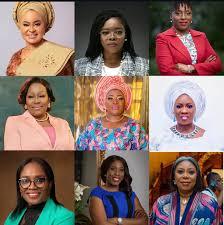
A coalition of women-focused advocacy groups has intensified calls for greater female representation in Nigeria's political leadership, urging political parties to field women as deputy governorship candidates in all 36 states during the 2027 general elections.
The coalition described the persistent exclusion of women from key political positions as a democratic deficit that undermines inclusive governance and limits the participation of a significant segment of the population in decision-making processes.
According to the groups, increasing the number of women occupying elective offices is essential for strengthening democracy, promoting gender equality, and ensuring that governance structures reflect the diversity of Nigerian society.
The demand comes as political stakeholders begin early consultations and strategic planning ahead of the 2027 electoral cycle.
Women's Groups Push for Greater Political Inclusion
The coalition argued that despite decades of democratic governance, women remain significantly underrepresented in political leadership positions across Nigeria.
Advocates noted that while women constitute nearly half of the country's population and play crucial roles in economic and social development, their representation in elected offices remains disproportionately low.
The groups emphasized that political parties have a responsibility to promote inclusion by creating opportunities for qualified women to participate meaningfully in governance.
According to the coalition, nominating female deputy governorship candidates across all states would represent a significant step toward addressing gender imbalances within the political system.
Why Female Representation Matters
Gender advocates say increased representation of women in leadership positions can contribute to more inclusive policymaking and broader societal development.
Research from international governance and development institutions has consistently suggested that diverse leadership teams often bring varied perspectives to policy discussions and decision-making processes.
Supporters of increased female participation argue that women leaders can play important roles in advancing policies related to:
- Education
- Healthcare
- Social welfare
- Economic empowerment
- Child protection
- Gender equality
- Community development
The coalition stressed that the call is not based solely on gender considerations but also on the need to harness the skills, expertise, and leadership potential of women across the country.
Current State of Women's Political Representation in Nigeria
Nigeria has historically recorded relatively low levels of female representation in elective positions compared to many other democracies.
While women have served in various leadership capacities, including ministerial appointments, legislative roles, judicial positions, and executive offices, their overall numbers remain limited.
Political analysts note that female participation in elections often faces challenges such as:
Limited Party Support
Many women struggle to secure party nominations due to internal political structures and power dynamics.
Financial Barriers
Campaign financing remains a significant obstacle for many female aspirants.
Cultural and Social Constraints
Traditional norms and societal expectations can discourage women from seeking political office.
Political Violence and Intimidation
Security concerns and hostile political environments have also been cited as barriers to women's participation.
Advocates argue that addressing these challenges is critical to achieving more balanced political representation.
Efforts to Increase Women's Participation
Calls for greater female political inclusion are not new in Nigeria.
Over the years, civil society organizations, women's groups, development partners, and international agencies have campaigned for increased representation of women in governance.
Several initiatives have sought to encourage political parties to adopt affirmative action measures, reduce nomination fees for female aspirants, and create more opportunities for women to contest elections.
Nigeria is also a signatory to various international agreements promoting gender equality and women's participation in governance, including frameworks developed by the United Nations and the African Union.
Despite these commitments, progress has been slower than many advocates had hoped.
The Significance of the 2027 Elections
Political observers believe the 2027 general elections could provide an important opportunity to reshape conversations around representation and inclusion.
As political parties prepare for upcoming contests, advocacy groups are pushing for reforms that would create a more level playing field for women seeking elective office.
The coalition's proposal focuses specifically on deputy governorship positions because they offer significant executive leadership opportunities and could serve as pathways to higher offices in the future.
Supporters argue that widespread adoption of female deputy governorship candidacies could transform the political landscape and inspire greater participation by women at all levels of governance.
Reactions from Political Stakeholders
The proposal has generated discussion among political actors, governance experts, and civil society organizations.
Supporters of the initiative say it represents a practical and achievable step toward improving gender balance in leadership.
Some political analysts believe that increasing female representation could strengthen public confidence in democratic institutions by making them more reflective of the country's population.
However, others argue that political appointments and nominations should be based primarily on competence, experience, and electoral viability rather than gender considerations alone.
Women's groups responding to such concerns maintain that the call is not about lowering standards but about ensuring equal opportunities for qualified women who have historically faced systemic barriers.
Impact on Democracy and Governance
Advocates describe women's exclusion from political leadership as a democracy issue rather than simply a gender issue.
According to the coalition, democracies function best when all segments of society have meaningful opportunities to participate in governance and decision-making.
Greater female representation could potentially:
- Strengthen democratic inclusiveness.
- Improve policy diversity.
- Encourage broader citizen participation.
- Inspire future generations of women leaders.
- Enhance accountability and representation.
Governance experts note that inclusive institutions often enjoy greater legitimacy and public trust.
Challenges Ahead
While the proposal has attracted support from many advocacy groups, significant challenges remain.
Political parties would need to demonstrate commitment to implementing inclusive nomination processes and supporting female candidates throughout election campaigns.
Observers also point to the need for reforms addressing campaign financing, political violence, and structural barriers that discourage women's participation.
Without broader institutional changes, some analysts warn that progress could remain limited despite growing awareness and advocacy efforts.
Women's organizations are expected to continue engaging political parties, lawmakers, electoral stakeholders, and civil society groups as preparations for the 2027 elections gather momentum.
The coalition is likely to intensify advocacy campaigns aimed at encouraging parties to adopt gender-inclusive nomination strategies.
Political observers will be watching closely to see whether major parties respond positively to the demand and whether the call translates into concrete commitments ahead of candidate selection processes.
The outcome could significantly influence the future of women's political participation in Nigeria.
The call by women's advocacy groups for female deputy governorship candidates in all 36 states ahead of the 2027 elections has reignited national conversations about political inclusion, gender equality, and democratic representation.
While challenges remain, advocates argue that expanding opportunities for women in leadership is essential for building a more inclusive and representative democracy. As political parties begin preparations for the next electoral cycle, the debate over women's participation is expected to remain a prominent issue in Nigeria's evolving political landscape.