


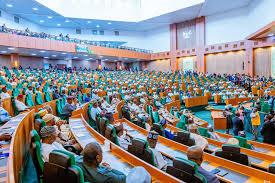
Four members of the House of Representatives elected on the platform of the Peoples Democratic Party from Bauchi State have officially defected to the Allied Peoples Movement, citing internal disagreements and ongoing leadership crises within their former party.
The development represents a notable political realignment within Nigeria’s opposition landscape and adds to growing concerns over party cohesion as political actors reposition themselves ahead of future elections.
The lawmakers reportedly attributed their decision to persistent internal squabbles and unresolved disputes within the PDP structure at both state and national levels.
The defection of the four lawmakers was confirmed following formal communications to the leadership of the House of Representatives.
In their submissions, the lawmakers referenced what they described as deep-seated internal divisions within the PDP, arguing that the situation had made it difficult to effectively carry out their legislative duties under the party’s platform.
Their move to the APM signals a shift in political allegiance that could influence legislative alignments and party strength within the National Assembly.
While official details of their identities and specific grievances were not fully disclosed in the initial reports, the defection has already sparked political debate.
Internal Crisis in PDP
The PDP has experienced recurring internal tensions in recent years, including leadership disputes, factional struggles, and disagreements over candidate selection processes.
Political analysts note that such internal conflicts have, at times, led to:
Party Fragmentation
Competing factions often emerge when disagreements remain unresolved.
Electoral Setbacks
Internal divisions can weaken party performance during elections.
Defections to Rival Parties
Lawmakers and political figures sometimes switch allegiance when crises persist.
The latest defection from Bauchi adds to a growing list of political realignments involving the PDP in different parts of the country.
Understanding the Allied Peoples Movement (APM)
The Allied Peoples Movement is a political party in Nigeria that has, over the years, positioned itself as an alternative platform for politicians seeking electoral participation outside the major political parties.
Although it has not historically been among the dominant political forces nationally, the party has attracted defectors in various election cycles, particularly at state and legislative levels.
Political observers say defections to smaller parties can sometimes reshape local political dynamics, especially when influential lawmakers are involved.
Why Defections Matter in Nigerian Politics
Political defections are a recurring feature of Nigeria’s democratic landscape and often reflect broader structural issues within party systems.
Experts identify several implications:
Shifting Power Dynamics
Defections can alter the balance of strength between political parties in legislative chambers.
Electoral Strategy Changes
Parties may need to reassess their strategies ahead of elections when key members leave.
Voter Perception
Frequent defections can influence public perception of party stability and credibility.
Legislative Realignment
Lawmakers who switch parties may realign voting blocs within the National Assembly.
Party Stability and Internal Democracy
Nigeria’s multi-party system has long been characterized by internal disputes, leadership struggles, and periodic realignments.
Political analysts argue that while defections are legal under certain circumstances, they often highlight underlying challenges such as:
- Weak internal party democracy.
- Disputes over leadership control.
- Lack of transparent conflict-resolution mechanisms.
- Competition for political influence and resources.
The PDP, as one of Nigeria’s major political parties, has frequently been at the center of such debates.
Reactions from Political Observers
The defection has drawn attention from political analysts who view it as part of a broader trend of instability within opposition politics.
Some observers argue that persistent internal crises weaken party structures and reduce competitiveness in national elections.
Others suggest that defections are a normal part of democratic politics, reflecting evolving political interests and alliances.
However, there is consensus that managing internal disputes effectively remains critical for party cohesion.
Implications for Bauchi Politics
Bauchi State remains a politically significant region in Nigeria’s North-East, with competitive party dynamics and active voter participation.
The defection of four federal lawmakers could:
- Influence future electoral outcomes in the state.
- Strengthen APM’s visibility in local politics.
- Weaken PDP’s legislative influence from the region.
- Trigger further political realignments.
Analysts will be watching closely to see whether additional defections follow or whether the PDP moves quickly to stabilize its structure in the state.
The House of Representatives is expected to formally acknowledge the defections, while the affected political parties may begin internal consultations.
The PDP may also seek to manage the fallout and prevent further losses by addressing grievances within its ranks.
Meanwhile, the APM is likely to consolidate its position and leverage the new lawmakers’ presence to boost its visibility and political relevance.
Observers say the next few weeks will be critical in determining whether this development triggers a wider political shift.
Conclusion
The defection of four PDP House of Representatives members from Bauchi State to the Allied Peoples Movement highlights ongoing tensions within Nigeria’s opposition politics and raises fresh questions about party unity and stability.
As political realignments continue ahead of future elections, the development underscores the importance of internal democracy and effective conflict resolution within political parties.