


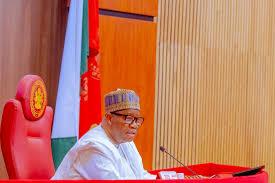
President of the Senate, Godswill Akpabio, has alleged that some political opponents are taking advantage of Nigeria's security challenges to undermine the administration of President Bola Ahmed Tinubu.
Akpabio made the remarks while addressing concerns about insecurity and the broader political discourse surrounding the government's efforts to tackle criminal activities, terrorism, banditry, kidnapping, and other security threats affecting various parts of the country.
According to the Senate President, while insecurity remains a serious national concern, some opposition figures are allegedly using the situation to score political points and weaken public confidence in the current administration.
The Senate President's comments come at a time when security issues continue to dominate public discussions across Nigeria.
Citizens, civil society groups, security experts, and political stakeholders have expressed concerns over persistent incidents of kidnapping, armed attacks, communal conflicts, and other forms of criminality in different regions.
Speaking on the issue, Akpabio argued that the government is actively working to address the security situation and that criticism should be balanced with recognition of ongoing efforts by security agencies.
He maintained that while constructive criticism is an important component of democracy, exploiting national security challenges for political advantage could undermine collective efforts to address the problem.
Nigeria's Security Challenges
Nigeria has faced multiple security threats over the years, including:
- Terrorism and insurgency
- Banditry
- Kidnapping for ransom
- Armed robbery
- Communal clashes
- Farmer-herder conflicts
- Separatist-related violence
- Organized criminal activities
These challenges have affected communities, businesses, educational institutions, and economic activities across several regions.
Successive governments have implemented various strategies aimed at restoring peace and strengthening national security.
Despite progress recorded in some areas, security concerns remain among the most significant issues facing the country.
Akpabio's Position
According to Akpabio, security challenges should be viewed as a national issue requiring cooperation among political leaders, security agencies, and citizens rather than becoming a tool for partisan battles.
The Senate President reportedly stressed that addressing insecurity demands unity, strategic planning, and sustained investment in security infrastructure and intelligence gathering.
He also highlighted the importance of supporting security agencies and encouraging collaboration among all stakeholders.
Akpabio argued that efforts to improve security should not be overshadowed by political rivalries that may distract attention from practical solutions.
Reactions from Political Stakeholders
The comments have generated varied reactions from political observers and stakeholders.
Supporters of the Administration
Supporters of the government argue that security challenges often develop over many years and cannot be resolved overnight.
They maintain that the Tinubu administration inherited complex security issues and has continued implementing measures aimed at improving the situation.
Some government supporters also agree with Akpabio's assertion that national security should not be politicized.
Opposition Perspectives
Opposition politicians have consistently argued that holding governments accountable for security outcomes is a legitimate aspect of democratic governance.
They contend that raising concerns about insecurity does not necessarily amount to political exploitation but rather reflects public expectations for improved safety and protection.
Many opposition figures have called for stronger strategies, improved intelligence operations, and enhanced security sector reforms.
Civil Society Views
Civil society organizations and policy experts generally emphasize that security discussions should remain focused on solutions rather than political divisions.
Many advocates stress the need for transparent assessments of security performance and evidence-based policymaking.
Security and Governance in Democratic Societies
Political analysts note that security issues frequently become major topics of political debate in democracies around the world.
Governments are often evaluated based on their ability to protect lives and property, while opposition parties typically scrutinize official policies and outcomes.
Experts argue that healthy democratic systems require both accountability and cooperation.
They note that constructive criticism can help improve policy implementation, but excessive politicization of security matters may complicate efforts to build consensus around national priorities.
Impact on Public Discourse
Akpabio's remarks have reignited discussions about the relationship between politics and national security.
Observers say the debate reflects broader questions about:
- Government accountability
- Opposition oversight
- National unity
- Security sector reforms
- Public trust in institutions
- Political communication
Many Nigerians continue to prioritize practical solutions to insecurity and expect both government and opposition leaders to contribute positively to national development.
Expert Analysis
Security analysts argue that addressing Nigeria's security challenges requires a multifaceted approach that includes:
Improved Intelligence Gathering
Strengthening intelligence capabilities remains critical for preventing attacks and disrupting criminal networks.
Enhanced Security Coordination
Greater collaboration among security agencies can improve operational effectiveness.
Economic Development
Reducing unemployment and expanding economic opportunities may help address some underlying drivers of insecurity.
Community Engagement
Partnerships between communities and security agencies can improve information sharing and trust.
Judicial and Institutional Reforms
Efficient prosecution and stronger institutions are essential for long-term security improvements.
Experts emphasize that sustainable progress will require commitment from government, political leaders, civil society, and citizens alike.
As debates over insecurity and governance continue, stakeholders are expected to maintain pressure on government institutions to deliver measurable improvements in public safety.
The National Assembly is also likely to remain engaged in discussions relating to security funding, legislative reforms, and oversight responsibilities.
Meanwhile, political parties will continue to present differing perspectives on the government's performance, particularly as national political activities gradually intensify ahead of future elections.
For many Nigerians, however, the primary concern remains the same: achieving lasting peace, protecting lives and property, and creating a safer environment for economic and social development.
Whether viewed through a political or governance lens, insecurity remains one of the country's most pressing challenges—and one that will continue to shape public discourse in the months ahead.