


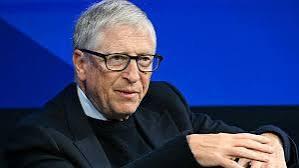
Microsoft co-founder and philanthropist Bill Gates has denied any involvement in wrongdoing during a congressional hearing investigating his past relationship with convicted sex offender Jeffrey Epstein.
Appearing voluntarily before a closed-door session of the U.S. House Oversight Committee, Gates acknowledged that meeting Epstein was a serious mistake but maintained that he had no knowledge of the financier's criminal activities and never participated in any illegal conduct.
The hearing forms part of a broader congressional investigation into Epstein's network of associates and the handling of investigations related to his activities.
During his testimony, Gates reportedly told lawmakers that his interactions with Epstein between 2011 and 2014 were connected to discussions about philanthropy and fundraising opportunities.
According to prepared remarks cited by multiple U.S. media outlets, Gates said he believed Epstein could help attract financial support for global health and charitable initiatives. However, he later concluded that those expectations would not materialize and ended contact with him.
Gates emphasized that he never visited Epstein's private properties, never witnessed criminal behavior, and had no indication that Epstein was engaged in ongoing illegal activities during their meetings.
“I Never Victimised Anyone”
One of the strongest statements from Gates during the hearing was his categorical denial of any misconduct.
The billionaire reportedly told lawmakers that he had "never victimised anyone" and rejected suggestions linking him to Epstein's crimes. He also reiterated that he has not been accused of wrongdoing by law enforcement authorities in connection with the Epstein case.
Committee officials have likewise stated that Gates is not accused of criminal conduct and that the hearing was intended to gather information about the extent of his relationship with Epstein.
Gates Describes Relationship as a “Grave Error”
Throughout the testimony, Gates expressed regret over his decision to associate with Epstein.
He described the meetings as a "grave error in judgment" and acknowledged that the relationship damaged his reputation and risked undermining the work of the philanthropic organizations with which he is associated.
"I should never have met with Epstein in the first place," Gates reportedly told lawmakers, adding that hindsight had made clear the seriousness of the mistake.
Claims of Pressure and Leverage
During the hearing, Gates also addressed reports that Epstein had attempted to use knowledge of his personal affairs to maintain contact with him.
According to testimony, Gates said Epstein became aware of past extramarital relationships and later attempted to use that information as leverage after their professional interactions had ended. Gates maintained that the affairs were unrelated to Epstein and that he resisted any such attempts at pressure.
The issue has previously attracted media attention following the release of documents connected to congressional and Justice Department investigation
Epstein, who was convicted in 2008 on charges involving a minor and later faced federal sex trafficking allegations, died in prison in 2019 while awaiting trial.
Since then, U.S. lawmakers, investigators, and journalists have continued examining Epstein's network of associates and connections to influential figures in politics, business, and entertainment. Appearing in records connected to Epstein does not by itself imply criminal wrongdoing.
Gates is among several high-profile individuals who have been questioned as part of ongoing efforts to understand the full scope of Epstein's relationships and influence.
The House Oversight Committee is expected to review testimony from Gates alongside evidence collected from other witnesses involved in the broader Epstein investigation.
While transcripts from the closed-door session may eventually be released, lawmakers say the focus remains on establishing a clearer understanding of Epstein's network and ensuring accountability where appropriate.
For Gates, the testimony represents another effort to publicly distance himself from Epstein and address lingering questions about a relationship he now describes as one of the biggest mistakes of his professional life.