


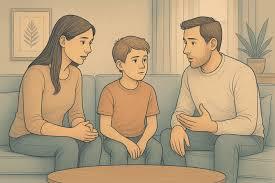
Mental health professionals have emphasized the importance of early detection in addressing psychological and emotional challenges among children, urging parents, teachers, and caregivers to pay attention to behavioural changes that may signal underlying mental health concerns.
According to experts, many childhood mental health conditions can be effectively managed when identified early, helping children receive the support they need before problems become more severe.
The call comes amid growing global awareness of the importance of mental health and increasing recognition that emotional well-being is as vital to a child's development as physical health and education.
Experts warn that overlooking early signs of distress may delay treatment and negatively affect a child's academic performance, social relationships, confidence, and overall quality of life.
What Experts Are Saying
Mental health specialists note that children often communicate emotional difficulties differently from adults.
Rather than expressing feelings directly, children may exhibit subtle behavioural, emotional, or physical changes that indicate something is wrong.
Experts advise parents to remain attentive to patterns such as:
- Sudden withdrawal from family or friends
- Persistent sadness or irritability
- Noticeable changes in sleep habits
- Declining academic performance
- Loss of interest in favourite activities
- Excessive fear, anxiety, or worry
- Difficulty concentrating
- Changes in eating habits
- Frequent unexplained physical complaints
- Aggressive or disruptive behaviour
While these signs do not automatically indicate a mental health disorder, professionals say persistent changes should not be ignored.
Understanding Child Mental Health
Mental health refers to a person's emotional, psychological, and social well-being.
In children, positive mental health supports healthy growth, learning, resilience, and the ability to build meaningful relationships.
Experts explain that mental health challenges can affect children of all ages and backgrounds.
Common conditions that may affect children include:
- Anxiety disorders
- Depression
- Attention-deficit/hyperactivity disorder (ADHD)
- Behavioural disorders
- Learning-related emotional difficulties
- Trauma-related conditions
Early identification can help families access professional support and appropriate interventions before symptoms become more severe.
A Growing Global Concern
Child and adolescent mental health has become an increasingly important public health issue worldwide.
Health organizations have repeatedly highlighted the need for greater awareness, improved access to mental health services, and stronger support systems for young people.
Research has shown that many mental health conditions begin during childhood or adolescence, making early intervention particularly important.
Experts stress that untreated mental health difficulties can affect educational achievement, physical health, social development, and future employment opportunities.
In many countries, including Nigeria, mental health awareness is improving, but stigma and limited access to specialized care continue to present challenges for many families.
The Role of Parents and Caregivers
Parents are often the first people to notice changes in a child's behaviour.
Mental health professionals encourage families to create environments where children feel safe discussing their feelings and experiences.
Experts recommend that parents:
Maintain Open Communication
Children should be encouraged to express emotions without fear of judgment or punishment.
Observe Behavioural Changes
Persistent shifts in mood, habits, or social interactions may warrant closer attention.
Build Trust
Strong parent-child relationships can help children feel comfortable sharing concerns.
Seek Professional Advice When Necessary
Early consultation with qualified healthcare professionals can help identify and address potential issues.
Support Healthy Lifestyles
Regular physical activity, adequate sleep, balanced nutrition, and positive social interaction all contribute to emotional well-being.
The Role of Schools
Schools also play a critical role in supporting children's mental health.
Teachers often spend significant time with children and may notice changes in behaviour that are less visible at home.
Education experts recommend that schools strengthen counseling services, mental health awareness programs, and early intervention systems.
Collaborative efforts between parents, educators, and healthcare providers are often considered the most effective approach to supporting children facing emotional or psychological challenges.
Reactions from Health Advocates
Mental health advocates have welcomed renewed calls for greater awareness of child mental well-being.
They argue that public education campaigns can help reduce stigma and encourage families to seek assistance when needed.
Health professionals also emphasize that seeking support for a child's mental health should be viewed in the same way as seeking treatment for physical health concerns.
According to advocates, early intervention not only benefits individual children but also contributes to healthier families and communities.
Impact of Early Intervention
Experts say the benefits of early detection and treatment can be significant.
Children who receive timely support are often better equipped to:
- Manage emotions effectively
- Develop healthy coping skills
- Build stronger relationships
- Improve academic performance
- Enhance self-esteem and confidence
- Reduce the risk of more serious mental health challenges later in life
Early intervention can also reduce stress for families by addressing concerns before they escalate into major crises.
Challenges Facing Mental Health Care
Despite increasing awareness, several barriers continue to affect access to mental health services.
These include:
- Social stigma surrounding mental health
- Limited availability of specialists
- Financial constraints
- Lack of awareness among parents and caregivers
- Insufficient mental health resources in schools
Experts are calling for greater investment in mental health services, public education, and training programs to help bridge these gaps.
Mental health professionals are encouraging governments, schools, healthcare institutions, and families to work together to strengthen support systems for children.
Experts believe that increased awareness, improved access to services, and proactive intervention can significantly improve outcomes for young people.
As conversations about mental health continue to expand, specialists stress that recognizing early warning signs and seeking help promptly remain among the most effective ways to safeguard children's emotional and psychological well-being.
Ultimately, they say, investing in children's mental health today helps build healthier, more resilient communities for the future.