


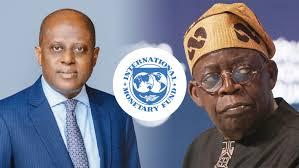
The Federal Government has welcomed the International Monetary Fund's (IMF) assessment of Nigeria's economic reform agenda, describing it as a positive recognition of ongoing efforts to stabilize the economy. Authorities say they remain committed to implementing policies aimed at promoting sustainable growth, attracting investment, and improving the living standards of Nigerians
The Federal Government has expressed satisfaction with the latest assessment by the International Monetary Fund regarding Nigeria's economic reform programme, reaffirming its determination to sustain policy measures designed to strengthen macroeconomic stability and drive long-term development.
Government officials described the IMF's observations as an encouraging indication that recent economic reforms are beginning to yield positive results, while emphasizing that more work remains to be done to address structural challenges and improve economic conditions for citizens.
The development comes amid ongoing efforts by the administration of President Bola Ahmed Tinubu to reposition Africa's largest economy through fiscal, monetary, and institutional reforms.
The Federal Government reacted to the IMF's assessment of Nigeria's economic performance and reform initiatives, welcoming the fund's recognition of measures introduced to stabilize the economy and improve public finances.
Officials stated that the government's reform agenda is focused on creating a more resilient economy capable of attracting investment, supporting private-sector growth, and generating employment opportunities.
According to the government, the IMF's assessment validates efforts aimed at addressing longstanding economic distortions and laying the foundation for sustainable growth.
Authorities also reiterated their commitment to maintaining reform momentum despite the challenges often associated with major economic adjustments.
Nigeria's Economic Reform Agenda
Since assuming office, President Tinubu's administration has introduced a series of economic reforms intended to address fiscal pressures, improve revenue generation, and enhance investor confidence.
Key areas of reform have included:
- Fiscal policy adjustments
- Exchange rate reforms
- Revenue mobilization initiatives
- Public finance management improvements
- Energy sector reforms
- Efforts to strengthen the investment climate
- Measures aimed at improving transparency and accountability
Government officials argue that these policies are necessary to address structural weaknesses and place the economy on a more sustainable path.
Supporters of the reforms believe they will contribute to long-term growth and competitiveness.
However, critics have raised concerns about the short-term impact of some measures on households and businesses, particularly in relation to rising living costs.
Understanding the IMF's Role
The IMF is a global financial institution that monitors economic developments, provides policy advice, and supports member countries in addressing macroeconomic challenges.
Its assessments are closely watched by governments, investors, financial institutions, and development partners because they often influence perceptions of a country's economic outlook.
The organization regularly conducts consultations with member states to evaluate economic performance, identify risks, and recommend policy options.
While IMF assessments do not determine national policy, they are often regarded as important indicators of economic direction and reform progress.
Government's Position on Reforms
Federal Government officials emphasized that the current reform programme is designed to create a stronger and more competitive economy capable of supporting long-term prosperity.
According to policymakers, the reforms aim to:
Strengthen Economic Stability
Reducing vulnerabilities and improving fiscal discipline are seen as essential to maintaining stability.
Attract Investment
Authorities believe a predictable and transparent economic environment can encourage domestic and foreign investment.
Promote Job Creation
Economic growth and private-sector expansion are expected to generate employment opportunities.
Improve Public Finances
Enhancing revenue generation and expenditure management remains a key objective.
Support Sustainable Development
Officials say reforms are intended to create conditions for inclusive and durable economic progress.
Reactions from Economists and Stakeholders
The government's response to the IMF assessment has generated varying reactions among economists, business leaders, and policy analysts.
Supportive Views
Some experts view the IMF's assessment as evidence that difficult but necessary reforms are helping to address longstanding economic imbalances.
They argue that maintaining policy consistency is critical to achieving lasting results and improving investor confidence.
Concerns About Social Impact
Other analysts acknowledge the importance of reforms but emphasize the need for stronger social protection measures to cushion vulnerable populations from economic hardships associated with adjustment policies.
They argue that growth must be accompanied by efforts to reduce poverty and improve living standards.
Private Sector Perspective
Business groups generally support policies that improve macroeconomic stability but also call for measures to address infrastructure deficits, energy challenges, and access to finance.
Impact on Investors and Financial Markets
Positive assessments from international institutions often influence investor sentiment and perceptions of economic risk.
Financial analysts note that confidence in economic management can affect:
- Foreign direct investment inflows
- Portfolio investments
- Business expansion decisions
- Credit ratings
- Borrowing costs
- Overall economic competitiveness
As a result, government officials have welcomed the IMF's observations as a boost to Nigeria's efforts to attract investment and strengthen economic credibility.
Challenges Ahead
Despite signs of progress, experts agree that significant challenges remain.
Among the key issues requiring attention are:
- Inflationary pressures
- Unemployment and underemployment
- Infrastructure deficits
- Poverty reduction
- Exchange rate stability
- Energy sector constraints
- Food security concerns
Analysts emphasize that addressing these challenges will require sustained policy implementation and effective coordination across government institutions.
The Federal Government has indicated that it will continue pursuing reforms aimed at strengthening economic fundamentals and improving the business environment.
Authorities say efforts will remain focused on promoting growth, enhancing productivity, supporting investment, and improving public service delivery.
At the same time, policymakers are expected to continue engaging with stakeholders, including businesses, development partners, and civil society organizations, to ensure that reforms deliver broad-based benefits.
For many observers, the IMF's assessment represents an important milestone but not the end of Nigeria's economic transformation journey.
As the country navigates a complex global economic environment, the success of ongoing reforms will likely be measured by their ability to generate jobs, reduce poverty, improve living standards, and create sustainable prosperity for millions of Nigerians.