


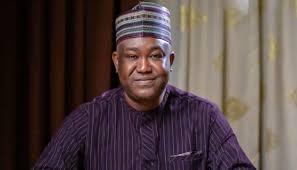
Former presidential aspirant Gbenga Olawepo-Hashim has insisted that the Accord Party has not refunded the N50 million he paid as a nomination fee during the party's presidential selection process.
Olawepo-Hashim, a businessman and politician who sought the party's presidential ticket, dismissed reports claiming that the money had been returned to him, describing such assertions as inaccurate and misleading.
His comments come amid ongoing disputes within the Accord Party, where disagreements over finances, internal administration, and party processes have continued to generate controversy.
What Happened
In a statement addressing the issue, Olawepo-Hashim said he had yet to receive any refund from the party and challenged claims suggesting that the matter had already been resolved.
According to him, the nomination fee remains unpaid despite repeated references in public discussions and party-related exchanges indicating otherwise.
The former aspirant did not disclose whether formal legal or administrative steps were being pursued, but he maintained that the party still owes him the money.
The Accord Party has not publicly released a detailed response clarifying the status of the alleged refund at the time of this report.
Nomination Fees and Party Disputes
Nomination fees are payments made by aspirants seeking elective positions within political parties. These fees are often intended to cover administrative costs associated with screening, documentation, and primary elections.
In Nigeria, disputes over nomination fees occasionally arise when aspirants withdraw, lose party tickets, or challenge the conduct of internal party processes.
Political analysts note that such disagreements can escalate into broader conflicts over transparency, accountability, and internal democracy within parties.
The Accord Party, though smaller than Nigeria's major political parties, has participated in national elections and fielded candidates for various offices over the years.
Reactions and Political Implications
Olawepo-Hashim's insistence that the refund has not been made has renewed attention on the party's internal affairs.
Supporters of the former aspirant argue that political parties should maintain clear financial records and communicate transparently with members and candidates.
Others within the political space say the dispute highlights the need for stronger internal dispute-resolution mechanisms in Nigerian parties.
Political commentators also observe that prolonged disagreements over finances can damage public confidence in party administration and distract from broader political goals.
Impact on the Accord Party
The controversy could pose reputational challenges for the Accord Party, particularly at a time when smaller parties are seeking to strengthen credibility and attract broader support.
Internal disputes involving prominent aspirants may affect perceptions of organizational stability and transparency.
However, analysts say the long-term impact will depend on how quickly and clearly the party addresses the allegations and communicates with stakeholders.
The next steps are likely to involve further clarification from the Accord Party regarding the status of the alleged refund.
Olawepo-Hashim may also choose to pursue formal channels to resolve the matter if the dispute remains unsettled.
For now, the disagreement continues to draw attention within political circles, with observers awaiting a definitive resolution from the party and the former aspirant.