


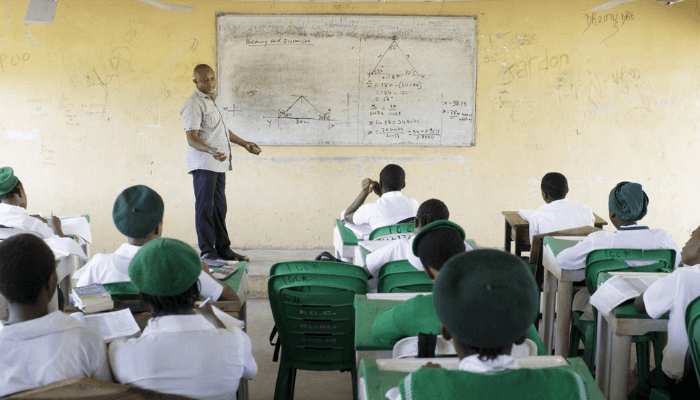
The National Commission for Colleges of Education (NCCE) has raised concerns over what it describes as the growing neglect of teacher education in Nigeria, warning that the trend could have far-reaching consequences for the country's future development.
According to the commission, teachers remain the foundation of every educational system, and any failure to prioritize their training, welfare, and professional development will ultimately affect the quality of graduates produced by schools and higher institutions across the country.
The warning comes amid ongoing debates about Nigeria’s education challenges, including poor learning outcomes, teacher shortages, inadequate infrastructure, and declining public confidence in the education sector.
Education stakeholders say the nation risks producing generations of underprepared professionals if urgent steps are not taken to strengthen teacher education and restore the prestige of the teaching profession.
Teacher Education Central to National Development
The Executive Secretary of the NCCE emphasized that teachers play a critical role in shaping the future workforce and leadership of any nation.
According to the commission, every professional—including doctors, engineers, lawyers, scientists, journalists, entrepreneurs, and political leaders—passes through the hands of teachers. Consequently, the quality of education received by learners depends significantly on the competence, training, and commitment of educators.
The NCCE stressed that teacher education should not be treated as a secondary priority but as a strategic investment capable of driving sustainable national development.
Education experts argue that countries with strong educational systems consistently invest in teacher recruitment, training, certification, and continuous professional development.
“Teachers are nation builders. Any country that ignores teacher education is undermining its own future,” an education policy analyst told JEI TV.
Challenges Facing Teacher Education in Nigeria
Nigeria's education sector has faced numerous challenges for decades, many of which directly affect teacher development.
These challenges include:
- Insufficient funding for colleges of education
- Inadequate teaching facilities and learning resources
- Poor remuneration and welfare packages for teachers
- Limited opportunities for professional training
- Teacher shortages in rural communities
- Declining interest among young people in pursuing teaching careers
Reports from education organizations have repeatedly highlighted the need for stronger investments in teacher preparation programs to improve learning outcomes nationwide.
The situation has become increasingly concerning as student enrollment continues to rise across the country while the number of qualified teachers struggles to keep pace.
Experts warn that without sufficient numbers of trained teachers, efforts to improve literacy rates, digital skills, and workforce readiness may fall short.
Growing Demand for Qualified Educators
Nigeria has one of Africa's largest youth populations, with millions of children enrolled in primary and secondary schools.
As the population continues to expand, the demand for qualified teachers is expected to increase significantly.
Education analysts say the country must prepare adequately to meet this challenge by strengthening colleges of education and teacher training institutions.
The NCCE noted that teachers must be equipped with modern skills to address contemporary classroom realities, including:
Digital learning technologies
Artificial intelligence tools in education
Inclusive education practices
Classroom management techniques
Critical thinking and problem-solving instruction
STEM education methodologies
Failure to modernize teacher training programs, experts argue, could leave Nigeria's education system struggling to compete in a rapidly changing global environment.
Impact on Students and Future Professionals
The consequences of weak teacher education extend far beyond the classroom.
Education specialists note that poorly trained teachers can negatively affect students’ academic performance, critical thinking abilities, and career readiness.
Research conducted in various countries has consistently shown a strong connection between teacher quality and student achievement.
When teachers lack adequate preparation, students are more likely to experience:
- Lower literacy and numeracy skills
- Reduced academic performance
- Increased dropout rates
- Poor examination outcomes
- Limited employability skills
The NCCE warned that such outcomes could ultimately affect national productivity and economic growth.
A workforce that lacks strong foundational education may struggle to meet the demands of modern industries, technological innovation, and global competition.
Calls for Increased Government Investment
Education stakeholders are urging federal and state governments to increase investment in teacher education.
They argue that improving teacher quality requires more than policy statements; it requires sustained funding and strategic reforms.
Among the recommendations being proposed are:
Improved Funding for Colleges of Education
Experts say colleges of education require better infrastructure, laboratories, libraries, and technology resources to train future teachers effectively.
Enhanced Teacher Welfare
Stakeholders believe competitive salaries and improved working conditions would attract talented individuals into the teaching profession.
Continuous Professional Development
Regular training and certification programs can help teachers stay updated with modern teaching methods and technological advancements.
Stronger Recruitment Policies
Governments are being encouraged to prioritize the recruitment of qualified teachers, especially in underserved rural areas.
Integration of Technology
Education institutions are being urged to embrace digital learning tools and equip teachers with the skills necessary for modern classrooms.
Education and Economic Growth
Experts emphasize that education remains one of the strongest drivers of economic development worldwide.
Countries that have achieved rapid industrialization and technological advancement often place significant emphasis on teacher quality.
The NCCE argued that strengthening teacher education could help Nigeria achieve several national development goals, including:
Improved literacy rates
Enhanced workforce productivity
Greater innovation and entrepreneurship
Reduced unemployment
Stronger social cohesion
Increased global competitiveness
Education economists note that investments in teachers typically generate long-term economic benefits through higher productivity and improved human capital development.
Reactions from Stakeholders
The commission’s warning has sparked renewed conversations among educators, policymakers, and civil society organizations.
Several education advocacy groups have echoed the NCCE’s concerns, calling for urgent reforms.
Teachers’ unions have also repeatedly highlighted the need for greater government attention to teacher welfare and professional development.
Many stakeholders believe that restoring the dignity of the teaching profession is essential to attracting highly qualified individuals into the sector.
Parents and education advocates have similarly expressed concerns over declining educational standards in some parts of the country, arguing that teacher quality must remain a priority.
As Nigeria seeks to improve educational outcomes and position itself for future economic growth, policymakers are expected to continue discussions on reforms aimed at strengthening teacher education.
The NCCE's warning serves as a reminder that sustainable national development depends heavily on the quality of education delivered in classrooms across the country.
Education experts maintain that meaningful progress will require collaboration among federal and state governments, educational institutions, teachers, development partners, and the private sector.
Without substantial investments in teacher training and support systems, analysts warn that Nigeria could face long-term challenges in producing the skilled workforce needed for the 21st-century economy.
For many stakeholders, the message is clear: the future of Nigeria’s education system—and indeed the nation itself—depends largely on the quality of teachers entrusted with shaping the next generation.