


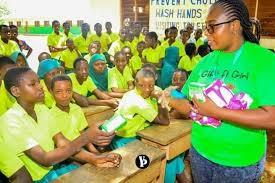
NOLA Africa Calls for Improved Menstrual Health Education for Girls in Underserved Communities
A leading non-governmental organization, NOLA Africa, has renewed calls for greater investment in menstrual health education and reproductive awareness programs targeting adolescent girls in underserved communities across Nigeria.
The organization emphasized that millions of girls continue to face significant barriers to menstrual hygiene management due to inadequate education, persistent cultural taboos, poverty, and limited access to sanitary products. According to advocates, addressing these challenges is critical to ensuring that girls can remain healthy, confident, and active participants in education and community life.
The renewed advocacy comes amid growing national and global conversations around menstrual health, gender equality, and the need to create inclusive environments where young girls can access accurate reproductive health information without fear of discrimination or shame.
The Importance of Menstrual Health Education
Menstrual health remains a crucial but often overlooked aspect of adolescent development. For many girls, the onset of menstruation marks a significant stage in their physical and emotional growth. However, in numerous communities, discussions about menstruation are still surrounded by myths, misconceptions, and social stigma.
Experts argue that comprehensive menstrual health education helps girls understand their bodies, promotes healthy hygiene practices, and empowers them to make informed decisions about their reproductive health.
NOLA Africa noted that when girls are equipped with the right information and support systems, they are more likely to maintain confidence, avoid harmful practices, and continue attending school during their menstrual cycles.
The organization stressed that menstrual health education should not be limited to girls alone but should also involve parents, teachers, community leaders, and boys to foster understanding and eliminate stigma.
Challenges Facing Girls in Underserved Communities
Across many rural and low-income communities, access to menstrual health resources remains a major challenge.
Many girls experience difficulties obtaining sanitary pads and other hygiene products due to financial constraints. In some cases, inadequate water and sanitation facilities in schools make it difficult for girls to manage their periods safely and privately.
These challenges often contribute to school absenteeism, reduced academic performance, and emotional distress.
Development experts estimate that a significant number of girls in developing countries miss school during menstruation because they lack access to appropriate menstrual hygiene materials or face fear of embarrassment and social exclusion.
NOLA Africa warned that the consequences of menstrual poverty extend beyond education, affecting health outcomes, self-esteem, and future opportunities for young women.
Combating Stigma and Misconceptions
One of the key issues highlighted by menstrual health advocates is the persistence of harmful cultural beliefs surrounding menstruation.
In some communities, menstruation is viewed as a taboo subject, making it difficult for girls to seek guidance or ask questions about their reproductive health. Such silence often leads to misinformation and anxiety among adolescents experiencing menstruation for the first time.
NOLA Africa said breaking these barriers requires sustained awareness campaigns, community engagement, and open conversations about menstrual health.
The organization emphasized that menstruation is a natural biological process and should not be associated with shame or discrimination.
Advocates believe that normalizing discussions around menstrual health can help create safer and more supportive environments for girls both at home and in school.
The Role of Schools in Menstrual Health Awareness
Educational institutions play a critical role in promoting menstrual health and reproductive awareness.
Experts say schools can help by integrating age-appropriate reproductive health education into their curricula while ensuring that students have access to clean sanitation facilities and menstrual hygiene products.
Teachers also have an important responsibility in creating supportive learning environments where girls feel comfortable discussing menstrual health concerns.
NOLA Africa encouraged school administrators and policymakers to prioritize menstrual hygiene management as part of broader efforts to improve educational outcomes for girls.
According to the organization, ensuring that schools are equipped with adequate water, sanitation, and hygiene facilities can significantly reduce the challenges faced by menstruating students.
Menstrual Health in Nigeria
Menstrual health has increasingly become a focus of advocacy groups, development organizations, and policymakers in Nigeria.
Several studies have highlighted gaps in menstrual hygiene knowledge and access to sanitary products, particularly among girls living in rural and economically disadvantaged communities.
Over the years, civil society organizations have launched campaigns aimed at improving awareness, distributing sanitary products, and advocating for policies that address menstrual poverty.
International organizations, including agencies of the United Nations, have also recognized menstrual health as an important public health and human rights issue linked to gender equality and educational attainment.
Advocates argue that ensuring menstrual dignity is essential to achieving broader development goals, including improved health outcomes, quality education, and women's empowerment.
Reproductive Health Awareness Beyond Menstruation
NOLA Africa's advocacy extends beyond menstrual hygiene to broader reproductive health education.
Experts note that adolescents require access to accurate information about puberty, personal hygiene, bodily changes, and reproductive health to make informed decisions as they mature.
Without proper education, young people may rely on misinformation from unreliable sources, potentially exposing them to health risks and misconceptions.
The organization stressed that comprehensive reproductive health awareness programs can help adolescents develop healthier attitudes toward their bodies while promoting responsible decision-making.
Reactions from Stakeholders
Education and public health advocates have welcomed the renewed focus on menstrual health education.
Many stakeholders argue that improving awareness and access to menstrual hygiene products is not only a health issue but also an education and social development priority.
Gender rights advocates have similarly called for increased government support, private-sector partnerships, and community-based initiatives aimed at addressing menstrual poverty.
Several experts believe that collaborative efforts involving government agencies, schools, healthcare providers, non-governmental organizations, and community leaders are necessary to achieve sustainable progress.
Impact on Education and Gender Equality
Research has consistently shown a strong connection between menstrual health management and girls' educational outcomes.
When girls have access to proper menstrual hygiene resources and supportive environments, they are more likely to attend school regularly and participate confidently in classroom activities.
Improved menstrual health education can also contribute to broader gender equality goals by reducing barriers that disproportionately affect girls and young women.
Advocates say empowering girls with knowledge and resources enables them to pursue educational opportunities and reach their full potential.
NOLA Africa says it will continue engaging communities, schools, policymakers, and development partners to promote menstrual health awareness and reproductive education.
The organization is expected to expand advocacy campaigns and outreach programs aimed at reaching vulnerable girls in underserved areas.
Stakeholders are also calling for stronger policy interventions that address menstrual poverty, improve access to hygiene products, and strengthen reproductive health education across Nigeria.
As awareness continues to grow, advocates hope that increased collaboration among public and private sector actors will help ensure that no girl is left behind because of challenges associated with menstruation.
NOLA Africa's call for improved menstrual health education highlights an issue that affects millions of girls across Nigeria and other developing nations. While progress has been made in raising awareness, significant gaps remain in access to information, hygiene products, and supportive environments.
Advocates argue that investing in menstrual health education is not only a matter of public health but also a critical step toward advancing gender equality, educational achievement, and social inclusion. As stakeholders continue to push for reforms, the focus remains on ensuring that every girl has the knowledge, dignity, and resources needed to manage her menstrual health safely and confidently.