


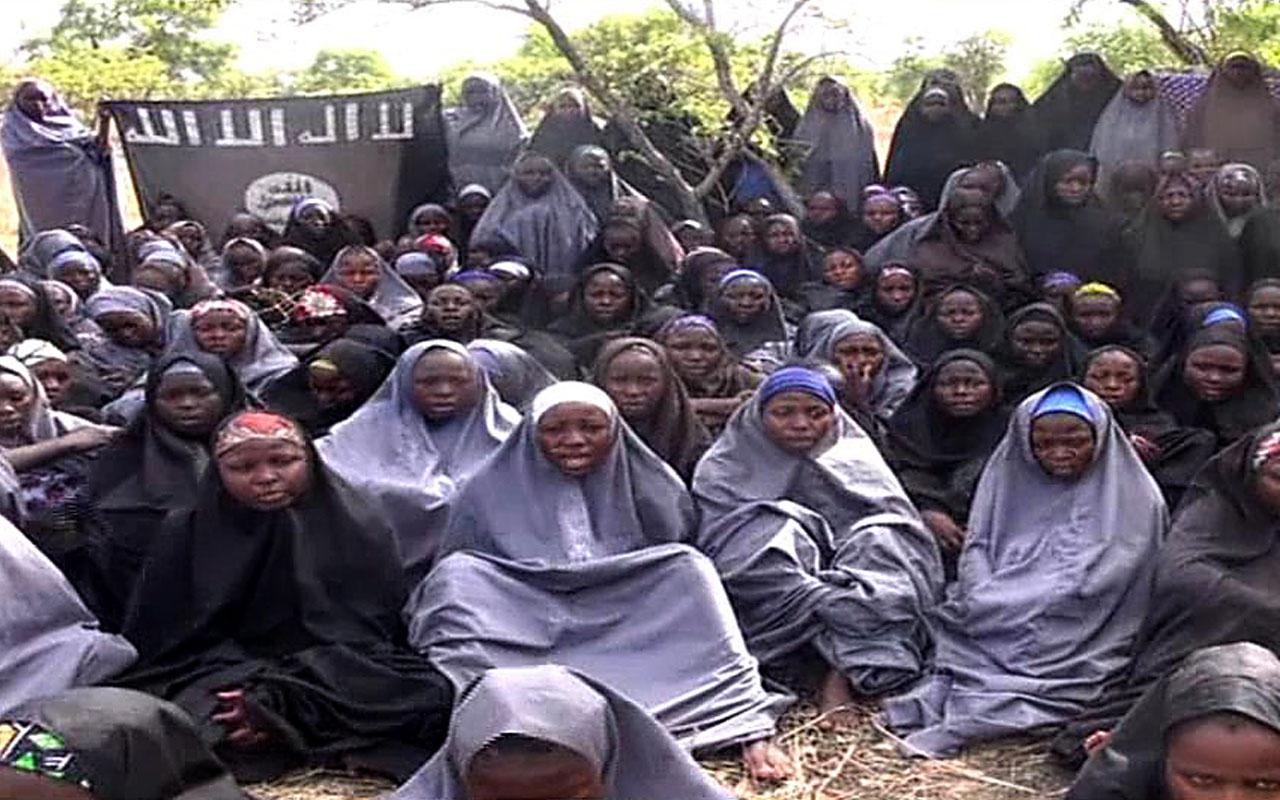
Mental health professionals in Nigeria have warned that the growing incidence of kidnappings, school attacks, and other forms of violence could have severe psychological consequences for children.
According to psychiatrists and child mental health specialists, exposure to traumatic experiences—whether directly or indirectly—can significantly affect a child's emotional well-being, academic performance, social development, and overall quality of life.
The warning comes amid ongoing security concerns in several parts of Nigeria, where incidents involving school invasions, abductions, and armed attacks have generated widespread fear among parents, educators, and communities.
Experts say while physical safety remains a priority, equal attention must be given to addressing the hidden psychological wounds that such experiences can leave behind.
What Happened
Mental health specialists have expressed concern that repeated exposure to violence and insecurity is creating an increasing mental health burden for children.
They noted that children who experience kidnappings, witness attacks, lose loved ones to violence, or live in communities affected by insecurity may develop serious emotional and behavioral challenges.
According to psychiatrists, the effects may not always be immediately visible. Some children may appear physically unharmed while silently struggling with trauma-related symptoms that can persist for months or years.
Experts are therefore urging parents, schools, healthcare providers, and government agencies to prioritize mental health support for affected children.
Understanding Trauma in Children
Trauma occurs when an individual experiences or witnesses events that overwhelm their ability to cope.
Children are particularly vulnerable because their emotional and psychological development is still ongoing.
Unlike adults, children may find it difficult to understand, process, or express traumatic experiences.
Psychiatrists explain that traumatic events such as kidnappings, terrorist attacks, armed conflicts, school shootings, and violent assaults can disrupt a child's sense of safety and security.
Without appropriate intervention, trauma can affect emotional development, learning abilities, relationships, and physical health.
Mental Health Conditions Linked to Trauma
Depression
Children exposed to traumatic incidents may develop persistent feelings of sadness, hopelessness, guilt, or loss of interest in activities they once enjoyed.
Depression can affect concentration, academic performance, appetite, sleep patterns, and self-esteem.
Anxiety Disorders
Psychiatrists say children who experience insecurity often develop excessive fear and worry.
Symptoms may include panic attacks, restlessness, difficulty sleeping, fear of separation from parents, and avoidance of places associated with traumatic events.
Post-Traumatic Stress Disorder (PTSD)
PTSD is one of the most common trauma-related conditions among individuals exposed to violence.
Children with PTSD may experience:
- Nightmares.
- Flashbacks.
- Emotional distress.
- Difficulty concentrating.
- Irritability.
- Hypervigilance.
- Fear of returning to school or public places.
Experts warn that PTSD can significantly interfere with normal childhood development if left untreated.
Behavioral Challenges
Trauma can also manifest through aggression, withdrawal, declining school performance, substance abuse in older adolescents, or difficulties interacting with peers and family members.
School Attacks and Kidnappings in Nigeria
Nigeria has witnessed several incidents involving school attacks and mass abductions over the past decade.
Many communities have experienced disruptions to education due to insecurity, with thousands of children affected either directly or indirectly.
Security incidents involving schools often generate fear among students, teachers, and parents, sometimes leading to prolonged school closures and reduced enrollment.
Mental health experts note that even children who are not directly involved in attacks may experience distress through media coverage, community discussions, and fears for their own safety.
This broader psychological impact can affect entire communities.
Signs Parents and Teachers Should Watch For
Psychiatrists advise adults to pay close attention to behavioral changes that may indicate emotional distress.
Common warning signs include:
- Persistent sadness or crying.
- Frequent nightmares.
- Sleep disturbances.
- Social withdrawal.
- Fearfulness.
- Difficulty concentrating.
- Sudden decline in academic performance.
- Aggressive behavior.
- Physical complaints such as headaches or stomach aches without medical causes.
- Increased dependence on caregivers.
Early identification of these symptoms can improve recovery outcomes and reduce long-term mental health complications.
The Importance of Early Intervention
Mental health specialists emphasize that early intervention can significantly improve a child's recovery following trauma.
Support may include:
Psychological Counseling
Professional counseling can help children process traumatic experiences and develop healthy coping strategies.
Family Support
Strong emotional support from parents and caregivers plays a critical role in recovery.
School-Based Programs
Schools can provide safe spaces, counseling services, peer support groups, and trauma-informed educational approaches.
Community Engagement
Religious institutions, community organizations, and social support networks can also assist affected children and families.
Experts stress that seeking professional help should not be viewed as a sign of weakness but as an important step toward healing.
Reactions from Mental Health Advocates
Mental health advocates have called for greater investment in child and adolescent mental health services across Nigeria.
They argue that while security operations remain essential, governments must also address the psychological consequences of violence.
Advocates are urging policymakers to integrate mental health support into emergency response strategies, educational systems, and public health programs.
Some experts have also called for increased training for teachers and healthcare workers to identify and respond to trauma-related symptoms among children.
Impact on Education and Development
The psychological effects of insecurity extend beyond individual health outcomes.
Research shows that trauma can negatively affect learning, memory, concentration, and educational attainment.
Children struggling with anxiety, depression, or PTSD may find it difficult to participate fully in classroom activities or maintain consistent attendance.
Over time, these challenges can influence future employment opportunities, social development, and overall well-being.
Experts warn that failing to address childhood trauma could have long-term consequences for national development and human capital growth.
Mental health professionals are calling for coordinated efforts involving government agencies, schools, healthcare institutions, and community leaders to support affected children.
Stakeholders are advocating for improved access to counseling services, expanded mental health awareness campaigns, and stronger protections for schools and vulnerable communities.
As Nigeria continues to confront security challenges, experts believe addressing the psychological needs of children must become an essential component of national recovery and resilience efforts.
Psychiatrists warn that kidnappings, school attacks, and other violent incidents can leave lasting psychological scars on children, increasing the risk of depression, anxiety disorders, PTSD, and other emotional difficulties.
While ensuring physical safety remains crucial, experts stress that protecting children's mental health is equally important. Early intervention, family support, professional counseling, and community-based programs can help affected children recover and rebuild their sense of safety and hope.
As insecurity continues to affect communities across Nigeria, mental health professionals are urging policymakers and stakeholders to prioritize the emotional well-being of the nation's youngest and most vulnerable citizens.