


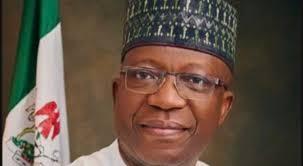
The House of Representatives has initiated a probe into allegations involving the Director-General of the National Institute for Legislative and Democratic Studies, Abubakar Sulaiman, over claims that he participated in a governorship primary process in Kwara State while still occupying his current position.
The development has drawn attention to issues surrounding political neutrality in public institutions, the responsibilities of senior public officials, and compliance with regulations governing political activities by individuals serving in government-appointed positions.
Lawmakers are expected to examine the circumstances surrounding the allegations and determine whether any administrative, ethical, or legal provisions may have been breached.
Allegations Under Investigation
The House probe reportedly centers on claims that Prof. Sulaiman was involved in activities connected to a governorship bid in Kwara State while serving as Director-General of NILDS.
The allegations have generated public interest because NILDS serves as a key institution supporting legislative development, governance research, policy analysis, and democratic strengthening in Nigeria.
Questions have been raised regarding whether participation in partisan political processes by the head of such an institution could conflict with expectations of neutrality and professional independence.
At the time of the investigation, lawmakers are expected to review relevant records, testimonies, and official documents to establish the facts surrounding the matter.
What Is NILDS?
The National Institute for Legislative and Democratic Studies is a research and training institution established to support the Nigerian legislature and promote democratic governance.
The institute plays a significant role in:
- Legislative research and policy development.
- Capacity building for lawmakers and legislative staff.
- Democratic governance studies.
- Public policy analysis.
- Training programs for government institutions.
Over the years, NILDS has become an important resource for strengthening legislative effectiveness and supporting democratic institutions in Nigeria.
Because of its role, observers often emphasize the importance of maintaining public confidence in the institution's impartiality and professionalism.
Why the Allegations Matter
The controversy has attracted attention because public officials occupying sensitive positions are generally expected to comply with regulations regarding political activities while in office.
Governance experts note that public institutions function best when leadership positions are insulated from conflicts of interest that could undermine credibility or public trust.
If proven, allegations involving political participation while holding certain public offices can raise questions about:
Institutional Neutrality
Public institutions are often expected to operate without partisan influence.
Ethical Compliance
Senior officials are required to adhere to codes of conduct and regulations guiding public service.
Public Confidence
Transparency and accountability remain essential to maintaining trust in government institutions.
Governance Standards
Investigations help ensure that public officials remain accountable to established rules and procedures.
Political Participation and Public Service
Nigeria's legal and administrative framework contains provisions regulating political activities by certain categories of public servants and government officials.
While citizens generally enjoy constitutional rights to political participation, individuals occupying specific public positions may be subject to restrictions intended to preserve institutional integrity and prevent conflicts of interest.
Over the years, debates have emerged regarding the balance between political rights and professional responsibilities for public office holders seeking elective positions.
Several cases involving public officials aspiring to political office have previously generated legal and administrative discussions concerning resignation requirements, eligibility rules, and ethical obligations.
House of Representatives' Oversight Role
The House of Representatives exercises oversight functions as part of its constitutional responsibility to ensure accountability and transparency within public institutions.
Committees of the House regularly investigate allegations involving government agencies, public officers, and institutions where issues of public interest arise.
Analysts note that such investigations play an important role in strengthening democratic accountability and ensuring compliance with applicable laws and regulations.
The probe into the NILDS Director-General is expected to follow established legislative procedures, including evidence gathering and stakeholder engagement.
Reactions from Political and Governance Stakeholders
The allegations have generated varied reactions from political observers, governance experts, and civil society organizations.
Some stakeholders argue that the investigation is necessary to clarify the facts and protect the integrity of public institutions.
Others caution against drawing conclusions before the legislative process is completed and all relevant evidence has been reviewed.
Legal analysts emphasize the importance of due process, noting that allegations alone should not be interpreted as proof of wrongdoing.
Many observers agree that transparency throughout the investigation will be essential in maintaining public confidence in both the legislative process and the institutions involved.
Implications for Public Institutions
The outcome of the probe could have broader implications for governance and public administration in Nigeria.
Experts suggest that the investigation may contribute to discussions about:
- Political neutrality in public institutions.
- Ethical standards for senior public officials.
- Public sector accountability.
- Compliance with public service regulations.
- Governance reforms and institutional integrity.
The case may also serve as a reference point for future situations involving public office holders seeking political positions.
The House of Representatives is expected to continue its investigation by reviewing available evidence and engaging relevant stakeholders.
Depending on its findings, lawmakers may issue recommendations, request clarifications, or propose further action if deemed necessary.
Observers will be watching closely as the inquiry progresses, given its potential implications for public administration and political accountability.
Prof. Sulaiman and other parties connected to the matter may also have opportunities to present their positions as part of the investigative process.
The House of Representatives' probe into NILDS Director-General Prof. Abubakar Sulaiman over allegations linked to the Kwara governorship primary has brought issues of public service neutrality, accountability, and political participation into focus.
As lawmakers seek to establish the facts, the investigation underscores the importance of transparency and adherence to governance standards within public institutions. The outcome could influence broader conversations about ethics, public office, and democratic accountability in Nigeria.