


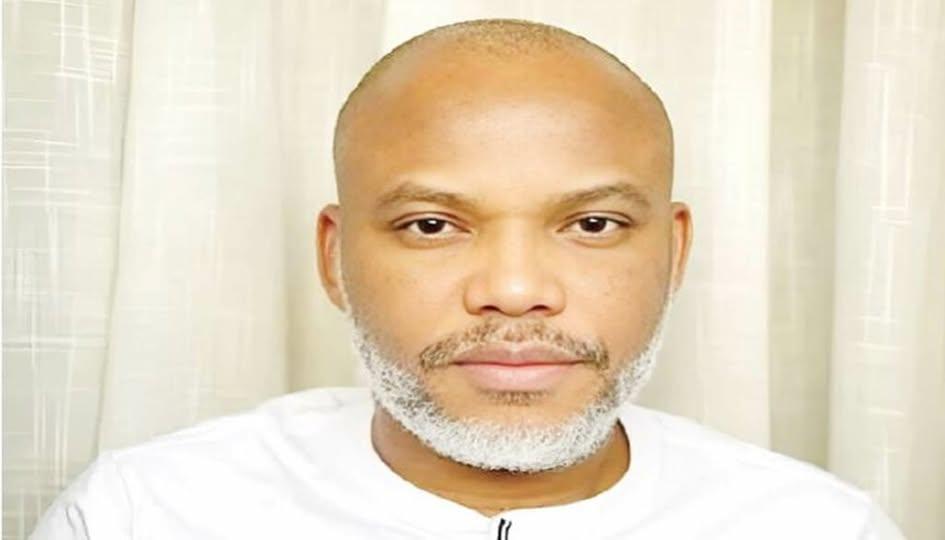
Yoruba nation activist Sunday Igboho has urged the leader of the Indigenous People of Biafra (IPOB), Nnamdi Kanu , to adopt dialogue as a pathway to resolving ongoing tensions with the Federal Government.

Igboho made the appeal while reacting to reports that Kanu had distanced himself from the enforcement of the controversial sit-at-home order in parts of the South-East, a directive that has significantly impacted economic and social activities in the region.
Call for Peaceful Engagement
According to Igboho, dialogue remains a more constructive approach than confrontation in addressing political grievances and demands for self-determination. He reportedly commended what he described as a positive step toward reducing hardship on residents affected by the weekly restrictions.
The sit-at-home directive, initially introduced by IPOB as a protest mechanism, has faced criticism from community leaders, business owners, and political stakeholders who argue that it has led to economic losses and security concerns.
Legal and Political Context
Nnamdi Kanu is currently facing charges before the Federal High Court in Abuja over allegations related to terrorism and other offences. His legal battle has drawn both domestic and international attention, with supporters calling for his release and others urging adherence to due process.
Igboho, who has also faced legal challenges in the past over separatist advocacy, emphasized the importance of lawful and peaceful engagement with authorities.
Renewed Calls for Dialogue
Political observers say the appeal reflects growing calls across Nigeria for peaceful resolution of agitation-related issues through negotiation rather than confrontation.
Analysts argue that sustained dialogue between agitating groups and the Federal Government could reduce tensions, restore economic stability, and promote national unity.
Impact on the South-East
The sit-at-home order has had far-reaching consequences in the South-East region, affecting schools, markets, transportation, and small businesses. Many residents have expressed fatigue over the disruptions, while security agencies continue to monitor compliance and related incidents.
Stakeholders believe that any move toward de-escalation and open communication could help ease regional tensions and foster stability.
Looking Ahead
As legal proceedings continue, attention remains on how political actors, civil society leaders, and the Federal Government will manage calls for dialogue and reconciliation.
Observers say sustained engagement, transparency, and respect for the rule of law will be crucial in addressing longstanding grievances and ensuring peaceful coexistence.
JEI TV will continue to monitor developments and provide updates as the situation evolves.