


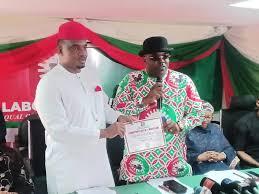
Abia State Governor, Alex Otti, has appealed for reconciliation and unity among members of the Labour Party (LP) following the ratification of 1,211 candidates as part of the party's preparations for the 2027 electoral cycle.
The call comes amid ongoing efforts by the party leadership to consolidate its structures, resolve internal disputes, and position itself as a formidable political force ahead of future elections.
Governor Otti stressed that unity remains essential if the Labour Party is to build on its recent electoral gains and effectively compete in upcoming contests at national, state, and local levels.
The Labour Party formally ratified 1,211 candidates during a party gathering aimed at strengthening its internal structures and preparing for future political engagements.
Speaking during the event, Alex Otti urged party members, leaders, and supporters to embrace reconciliation and work together in the interest of the party.
According to the governor, internal cohesion is necessary for sustaining the momentum the party has built in recent years.
He encouraged aggrieved members to seek peaceful resolutions to disagreements and focus on the broader objective of advancing the party's political vision.
The ratification of candidates is seen as a major organizational step designed to strengthen the Labour Party's grassroots presence and electoral readiness ahead of 2027.
Labour Party's Growing Political Influence
The Labour Party has experienced significant growth in Nigeria's political landscape in recent years.
The party gained nationwide prominence during the 2023 general elections, attracting widespread support from young voters, professionals, civil society groups, and citizens seeking alternative political platforms.
Its performance in several elections demonstrated the increasing influence of third-force politics in Nigeria and highlighted growing voter interest in political alternatives beyond the traditional dominant parties.
However, like many political organizations, the Labour Party has also faced internal disagreements over leadership, organizational control, and strategic direction.
Political analysts have noted that resolving these issues will be critical to maintaining party stability ahead of future elections.
Why Otti's Call for Reconciliation Matters
Governor Otti's appeal for unity comes at a time when political parties across Nigeria are intensifying preparations for the next electoral cycle.
According to observers, internal divisions often weaken party structures and reduce electoral competitiveness.
Strengthening Party Cohesion
A united party is generally better positioned to mobilize supporters and implement strategic political plans.
Improving Electoral Performance
Political unity can help minimize factional conflicts that may affect campaign activities and voter confidence.
Building Public Confidence
Voters often view stable political parties as more capable of delivering effective governance.
Expanding National Reach
Reconciliation efforts could help the Labour Party strengthen its presence across different regions of the country.
Significance of the Ratification Exercise
The ratification of 1,211 candidates reflects the party's effort to build a robust political structure at various levels.
Political experts say such exercises serve several purposes:
- Strengthening grassroots mobilization
- Enhancing internal party organization
- Preparing for future elections
- Encouraging member participation
- Identifying emerging political leaders
The move is also viewed as part of broader efforts to ensure that party structures remain active between election cycles.
Reactions from Party Members
The governor's call for reconciliation has generated discussions among party stakeholders.
Supporters Welcome Unity Message
Many members have welcomed the appeal, arguing that unity is essential for achieving the party's long-term goals.
Calls for Inclusive Leadership
Some stakeholders have urged party leaders to adopt inclusive approaches that accommodate diverse viewpoints within the party.
Focus on Future Elections
Several members emphasized the need to shift attention from internal disagreements to strategic planning for future electoral contests.
Political observers note that successful reconciliation efforts could significantly enhance the party's prospects in upcoming elections.
Nigeria's Political Landscape Ahead of 2027
Although the 2027 general elections are still some time away, political realignments and strategic planning have already begun across the country.
Major political parties are expected to focus on:
Membership Expansion
Parties are working to increase their support base and strengthen grassroots networks.
Leadership Consolidation
Internal structures and leadership positions are likely to remain key areas of focus.
Policy Development
Political parties are expected to refine policy proposals addressing economic, security, and governance concerns.
Youth Engagement
Young voters continue to play an increasingly influential role in shaping political outcomes.
Analysts believe that parties capable of maintaining internal stability and presenting clear policy alternatives may gain significant advantages in future elections.
Expert Analysis
Political analysts argue that reconciliation efforts are often crucial to the success of political organizations.
According to experts, parties that effectively manage internal disputes are generally better positioned to attract supporters and maintain public confidence.
They also note that the Labour Party's future performance will depend on its ability to:
- Resolve internal conflicts
- Strengthen organizational structures
- Expand its national appeal
- Retain existing supporters
- Present coherent policy alternatives
For many observers, Governor Otti's intervention reflects an understanding of the importance of party unity in a competitive political environment.
Impact on Labour Party's Future
The ratification of candidates and the renewed call for reconciliation could shape the Labour Party's political trajectory in the coming years.
A successful reconciliation process may:
- Enhance party stability
- Improve organizational efficiency
- Strengthen electoral readiness
- Increase member confidence
- Expand political influence
However, analysts caution that unity efforts will require sustained dialogue, compromise, and commitment from all stakeholders.
Following the ratification exercise, party leaders are expected to continue consultations aimed at addressing internal concerns and strengthening organizational structures.
The Labour Party is also likely to intensify grassroots engagement, membership mobilization, and policy development initiatives as preparations for future elections continue.
For Governor Alex Otti and other party leaders, the immediate challenge will be translating calls for reconciliation into practical outcomes that foster lasting unity.
As Nigeria's political landscape gradually shifts toward the 2027 elections, the Labour Party's ability to manage internal dynamics and maintain cohesion could play a significant role in determining its future relevance and electoral success.