


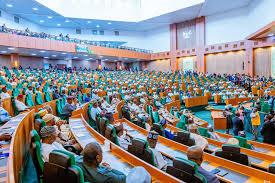
A plenary session of the House of Representatives descended into disorder following a heated dispute among lawmakers over allegations of forgery connected to the emergence of the Minority Leader.
The dramatic confrontation, which disrupted proceedings and sparked intense exchanges on the floor of the chamber, highlighted ongoing tensions within opposition parties and raised fresh questions about internal leadership contests in Nigeria's legislature.
Witnesses described the session as one of the most contentious in recent months, with lawmakers openly disagreeing over the circumstances surrounding documents allegedly linked to the selection process for opposition leadership positions.
The incident underscores continuing challenges facing opposition parties as they seek to maintain cohesion and effectively coordinate legislative activities within the National Assembly.
What Triggered the Clash?
The confrontation reportedly stemmed from allegations of forgery related to documents associated with the contest for the Minority Leader position in the House of Representatives.
The claims sparked strong reactions from lawmakers representing different political interests, leading to verbal exchanges and procedural disputes during the session.
Members disagreed over the authenticity of certain communications and the processes used in determining opposition leadership within the chamber.
As tensions escalated, efforts to restore order became necessary to prevent further disruption of legislative proceedings.
While the allegations remain a subject of political controversy, the developments have intensified scrutiny of how leadership positions are determined within opposition blocs.
Understanding the Minority Leader Position
The Minority Leader occupies one of the most important positions in the National Assembly.
The office serves as the principal representative of opposition parties within the legislative chamber and plays a key role in:
- Coordinating opposition lawmakers.
- Presenting alternative policy positions.
- Engaging in legislative debates.
- Providing oversight of government activities.
- Building consensus on national issues.
Because of its strategic importance, contests over the position often attract significant political attention and can become sources of internal rivalry.
Political analysts note that disagreements over leadership appointments frequently reflect broader struggles for influence within opposition parties.
Allegations and Political Implications
The forgery allegations have generated widespread debate among lawmakers and political observers.
Although details surrounding the claims remain contested, the controversy has raised concerns about transparency, due process, and adherence to internal party procedures.
Supporters of different factions have presented varying interpretations of events, with each side defending its position regarding the legitimacy of leadership arrangements.
Legal and constitutional experts caution that allegations of forgery are serious matters that require careful investigation and verification before conclusions are drawn.
They emphasize the importance of allowing appropriate processes to determine the authenticity of disputed documents and establish the facts.
Opposition Leadership Disputes in Nigeria
Leadership contests within opposition parties and legislative caucuses are not new in Nigerian politics.
Over the years, disputes over nominations, endorsements, and leadership positions have occasionally led to divisions among lawmakers and party members.
Such disagreements often arise from:
Internal Party Rivalries
Competing interests within political parties can create tensions during leadership selection processes.
Regional and Political Considerations
Balancing geographical representation and political influence often plays a role in leadership decisions.
Coalition Dynamics
Opposition alliances frequently involve multiple stakeholders with differing priorities and expectations.
Procedural Disputes
Questions regarding party endorsements and official communications can become sources of conflict.
Political analysts note that maintaining unity within opposition ranks is often crucial for effective legislative engagement.
Reactions from Lawmakers
The rowdy session generated strong reactions from lawmakers across political divides.
Some legislators called for a thorough investigation into the allegations to protect the integrity of parliamentary processes.
Others urged restraint, warning against actions that could further deepen divisions within opposition ranks or distract from legislative responsibilities.
Several lawmakers emphasized the need for dialogue and internal conflict resolution mechanisms to address disputes without disrupting parliamentary business.
Observers noted that the intensity of the exchanges reflected broader political tensions beyond the immediate controversy.
Impact on Legislative Activities
Political observers say prolonged leadership disputes can affect legislative efficiency and cooperation within the National Assembly.
Potential consequences include:
Delayed Decision-Making
Internal disagreements may slow consensus-building on important legislative matters.
Weakened Opposition Coordination
Divisions can reduce the effectiveness of opposition engagement on policy issues.
Public Perception Challenges
Frequent confrontations may affect public confidence in democratic institutions.
Political Realignments
Leadership controversies sometimes trigger shifts in alliances and political strategies.
Experts argue that resolving disputes promptly is essential to maintaining legislative stability and effectiveness.
Democracy and Internal Party Governance
The controversy has also reignited conversations about democratic practices within political parties and legislative groups.
Governance experts stress that transparent leadership selection processes are essential for strengthening democratic institutions.
They argue that political parties serve as the foundation of representative democracy and therefore must uphold principles of accountability, fairness, and internal democracy.
The current dispute, analysts say, highlights the need for clear procedures and effective conflict-resolution mechanisms within political organizations.
Reactions from Political Analysts
Political commentators have described the incident as a reflection of broader struggles within opposition politics.
Some analysts believe the dispute demonstrates the challenges of managing diverse interests within multi-party coalitions.
Others argue that the controversy could create opportunities for reforms aimed at improving transparency in leadership selection processes.
Regardless of the outcome, observers agree that the incident has brought renewed attention to the internal dynamics shaping opposition politics in Nigeria.
Attention is now focused on whether the allegations will be formally investigated and how opposition leaders will respond to growing tensions.
Political parties and legislative stakeholders are expected to engage in consultations aimed at resolving the dispute and preventing further disruptions.
Observers will also be monitoring whether any official findings emerge regarding the forgery allegations and what implications such findings could have for leadership arrangements within the House.
The coming weeks may prove critical in determining whether the opposition can overcome internal divisions and present a united front in legislative affairs.
The dramatic clash in the House of Representatives over allegations linked to the Minority Leader position has exposed underlying tensions within opposition ranks and raised questions about leadership selection processes.
While the full facts surrounding the forgery claims remain subject to scrutiny, the incident underscores the importance of transparency, accountability, and internal democracy in political institutions. As stakeholders seek a resolution, the outcome could have significant implications for opposition politics and legislative dynamics in Nigeria.