



The House of Representatives has thrown its weight behind veteran Nigerian boxer Bash Ali's quest to achieve a historic Guinness World Record through a proposed world title fight, while making it clear that the project will not receive direct financial support from the Federal Government.
The decision follows renewed appeals by the former boxer, who has spent years campaigning for official backing for what he describes as a globally significant sporting event capable of placing Nigeria in the international spotlight.
While lawmakers acknowledged the potential national and international benefits of the proposed record attempt, they maintained that public funds should not be used to finance the initiative, especially at a time when Nigeria faces competing economic priorities and pressing developmental challenges.
Instead, the House encouraged Bash Ali to pursue funding through private investors, corporate sponsorships, sports development organizations, and other non-governmental sources.
The development marks another chapter in one of Nigeria's longest-running sports campaigns, a journey that has spanned more than a decade and generated widespread public debate.
The House of Representatives considered issues surrounding Bash Ali's proposed Guinness World Record boxing event and concluded that while the initiative deserves moral and institutional support, it should not be financed with taxpayers' money.
Lawmakers reportedly advised the former boxer to explore private-sector partnerships capable of funding the event.
The position reflects growing concerns among policymakers regarding government expenditure amid ongoing economic pressures, including inflation, infrastructure deficits, unemployment challenges, and social welfare demands.
According to legislators, government resources should be directed toward broader public needs, while private investment should play a leading role in financing commercial sporting ventures.
The lawmakers' position does not prevent the boxer from pursuing the record attempt but effectively removes expectations of direct federal financial intervention.
Who Is Bash Ali?
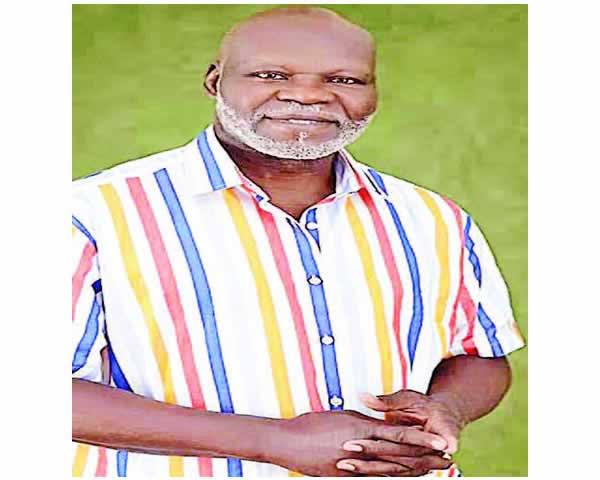
Bashiru Lawrence Aliyu, popularly known as Bash Ali, remains one of Nigeria's most recognized boxing figures.
Born in Cross River State, Ali built a distinguished career in professional boxing and gained international recognition through multiple championship victories.
Throughout his career, he competed across several weight divisions and earned respect for his determination, longevity, and commitment to the sport.
Beyond his achievements inside the ring, Ali has become widely known for his campaign to stage what he says would be a record-breaking championship fight designed to earn him a place in the Guinness World Records.
The veteran boxer has repeatedly stated that his goal is not merely personal achievement but also the promotion of Nigeria's image on the global sporting stage.
For years, he has sought endorsements, approvals, and partnerships from various government agencies and administrations.the Guinness World Record Dream
The proposed fight has been the subject of public discussion for more than a decade.
Ali has consistently argued that the event would establish him as the oldest boxer to fight for a world title, thereby setting a historic Guinness World Record.
His campaign has involved meetings with government officials, sports administrators, lawmakers, and private stakeholders.
Over the years, several announcements suggesting progress toward the event have emerged, only for logistical, administrative, legal, or financial obstacles to delay implementation.
The prolonged nature of the project has made it one of the most talked-about unfinished stories in Nigerian sports.
Supporters view Ali's persistence as evidence of determination and patriotism, while critics question the practicality and commercial viability of the proposal.
Despite these differing opinions, the campaign has remained alive and continues to attract national attention.
Nigeria's Sporting Legacy and Global Recognition
Nigeria has produced numerous athletes who have brought international acclaim to the country.
From boxing legends and Olympic medalists to football stars and track-and-field champions, Nigerian athletes have consistently demonstrated excellence on the global stage.
Icons such as Dick Tiger, Samuel Peters, and Anthony Joshua have helped elevate the profile of Nigerian boxing internationally.
Many sports analysts believe that high-profile sporting events can contribute significantly to national branding, tourism promotion, and international visibility.
Major sporting spectacles often generate media attention, attract visitors, stimulate business activity, and inspire younger generations to participate in sports.
It is this broader vision that Bash Ali says motivates his pursuit of a record-setting bout.
Why Lawmakers Oppose Government Funding
The House of Representatives' position reflects broader conversations about fiscal responsibility and public accountability.
Nigeria continues to face significant economic challenges, including rising living costs, infrastructure deficits, healthcare funding needs, educational demands, and security concerns.
Against this backdrop, many policymakers argue that government spending should prioritize projects with direct public benefits.
Sports economists note that while sporting events can deliver economic value, such ventures are often funded through sponsorship agreements, broadcasting rights, advertising partnerships, and private investments rather than direct government allocations.
Experts say this model reduces pressure on public finances while encouraging market-driven sustainability.
The lawmakers' recommendation aligns with international practices where large-scale sporting projects frequently depend on corporate sponsorship and commercial partnerships.
The House's decision has generated mixed reactions among sports enthusiasts, boxing fans, and public policy observers.
Supporters of the decision argue that public funds should be reserved for essential services and national development projects.
They maintain that while Bash Ali's ambition is commendable, financing should come from private investors willing to support the initiative.
Others believe the government should play a more active role in supporting projects capable of enhancing Nigeria's international image.
Some sports advocates argue that strategic investments in high-profile sporting events can yield economic and reputational benefits that outweigh initial costs.
Several observers, however, see the House's position as a compromise that offers institutional support without creating financial obligations for taxpayers.
Impact on Nigeria's Sports Industry
The debate surrounding Bash Ali's project highlights larger questions about sports funding in Nigeria.
Many stakeholders believe the country's sports sector possesses enormous untapped commercial potential.
Nigeria's youthful population, passionate fan base, and growing entertainment industry provide opportunities for investment in sporting events, athlete development, sports tourism, and media rights.
Industry experts have repeatedly called for stronger collaboration between government agencies and private investors to develop sustainable sports ecosystems.
The situation also underscores the need for innovative financing models capable of supporting ambitious sporting projects without overburdening public finances.
Analysts argue that successful implementation of privately funded sports ventures could encourage greater investment across multiple sporting disciplines.
Sports business specialists note that securing corporate sponsorship may be challenging but not impossible.
They point to successful examples where private companies funded sporting events in exchange for branding opportunities, media exposure, and audience engagement.
According to industry analysts, a project linked to a Guinness World Record could attract commercial interest if structured effectively and marketed to local and international audiences.
Experts suggest that partnerships involving telecommunications companies, financial institutions, media organizations, and multinational brands could provide viable funding pathways.
They also emphasize the importance of transparent governance, professional event management, and clear commercial strategies to attract investors.
With the House of Representatives ruling out government financing, attention now turns to Bash Ali and his team as they explore alternative funding options.
The veteran boxer is expected to intensify efforts to secure private sponsorship and institutional partnerships capable of bringing the proposed event to life.
Sports stakeholders will also be watching closely to see whether corporate Nigeria responds to the challenge and embraces the opportunity to support a potentially historic sporting achievement.
For Bash Ali, the latest development represents both a setback and an opportunity.
While direct public funding appears off the table, the endorsement of lawmakers may provide credibility that could help attract private investors.
Whether the Guinness World Record dream eventually becomes reality remains uncertain, but the veteran boxer's persistence has ensured that the conversation continues.
As Nigeria seeks new ways to strengthen its sports industry and global reputation, the debate surrounding Bash Ali's ambitious quest serves as a reminder of the delicate balance between national aspiration, private investment, and responsible public spending.
Bash Ali Guinness World Record, Bash Ali boxing dream, House of Representatives sports funding, Nigeria boxing news, Guinness World Record boxing fight, Bash Ali latest news, Nigerian sports development, government funding sports Nigeria, boxing record attempt, Nigerian boxing legend, sports sponsorship Nigeria, Bash Ali House of Reps