


INEC Data Leak Controversy: Emeka Ike Moves to Sue Wike’s Aide Over Alleged Privacy Breach
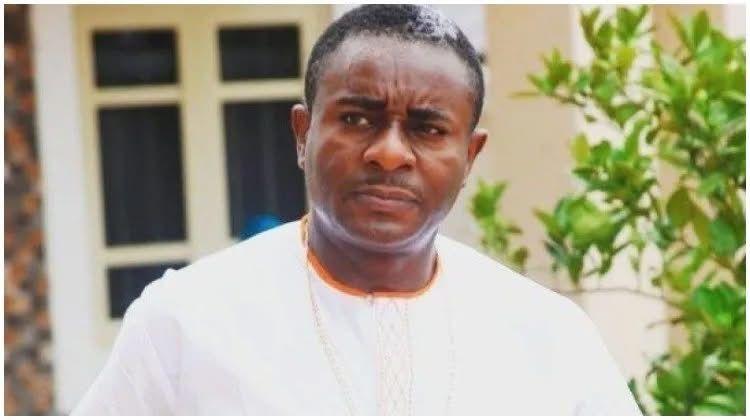
Popular Nollywood actor Emeka Ike has threatened legal action against Lere Olayinka, a media aide to the Minister of the Federal Capital Territory, Nyesom Wike, over the alleged public disclosure of his voter registration details. The incident has reignited concerns about data privacy, electoral database security, and the protection of citizens' personal information in Nigeria.
INEC Data Leak Controversy: Emeka Ike Moves to Sue Wike’s Aide Over Alleged Privacy Breach
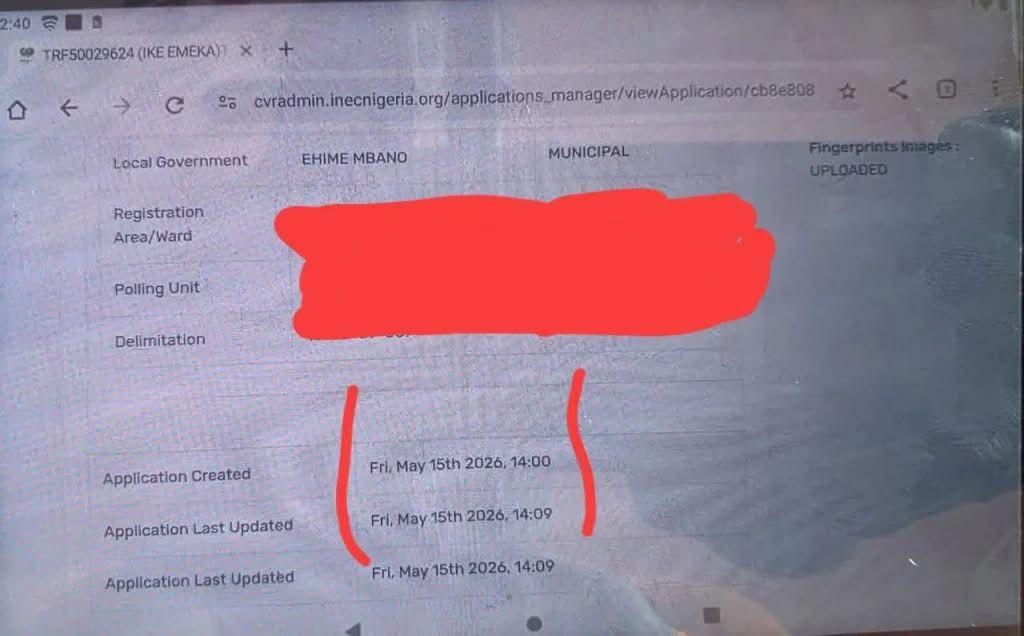
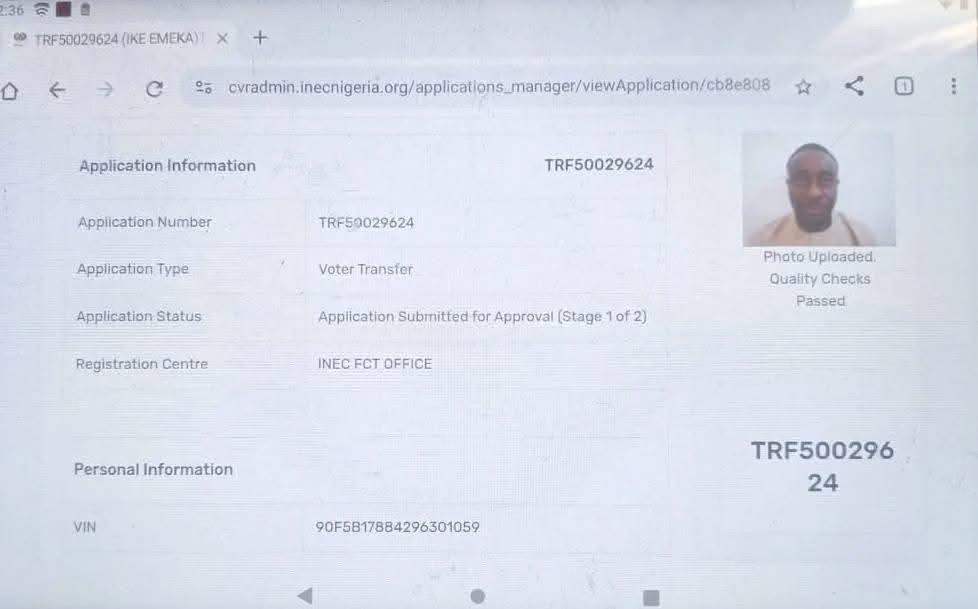
Popular Nollywood actor Emeka Ike has threatened to initiate legal proceedings against Lere Olayinka, a media aide to the Minister of the Federal Capital Territory (FCT), Nyesom Wike, following allegations that his personal voter registration information was publicly disclosed without authorization.
The development has sparked widespread debate across social media and political circles, raising fresh questions about the security of personal data held by Nigeria's electoral body, the Independent National Electoral Commission (INEC), and the broader issue of data protection in the digital age.
The controversy comes at a time when concerns over cyber security, identity theft, and unauthorized access to personal information continue to grow in Nigeria and across the world.
What Happened?
The dispute reportedly began amid an ongoing public debate involving political commentary and opinions surrounding national issues.
According to reports circulating online, information linked to Emeka Ike's voter registration records was allegedly published or referenced by Lere Olayinka during an exchange that attracted significant public attention.
The actor reacted strongly to the alleged disclosure, describing it as an invasion of privacy and a violation of his constitutional rights.
Emeka Ike reportedly warned that he would not hesitate to pursue legal remedies if the matter is not adequately addressed. He argued that voter registration information submitted to INEC is intended for electoral purposes and should not be used for political arguments, personal attacks, or public exposure.
While details surrounding how the information was obtained remain unclear, the controversy has generated widespread concern among Nigerians who fear that personal records stored by public institutions may not be adequately protected.
Growing Concerns About Data Privacy in Nigeria
The incident has once again brought data privacy and information security to the forefront of public discourse.
Over the past decade, Nigeria has experienced rapid growth in digital services, including banking, telecommunications, voter registration, healthcare databases, and government identity programs.
As more personal information becomes digitized, concerns have increased over how such data is collected, stored, managed, and protected.
Experts warn that unauthorized disclosure of personal information can expose individuals to several risks, including:
Identity theft
Fraud and financial crimes
Cyber stalking
Harassment
Reputational damage
Unauthorized surveillance
Legal analysts note that personal data protection is increasingly becoming a major issue worldwide, with governments introducing stricter regulations to safeguard citizens' information.
Background: Nigeria's Data Protection Framework
Nigeria has taken several steps in recent years to strengthen privacy rights and data protection standards.
The country established frameworks aimed at regulating how organizations and institutions process personal information.
These measures require entities handling personal data to ensure confidentiality, security, and lawful usage of information obtained from citizens.
Data protection advocates argue that public confidence in government databases depends heavily on assurances that sensitive information will not be exposed or misused.
Electoral databases are considered particularly sensitive because they often contain names, addresses, dates of birth, identification numbers, and biometric records.
Any perceived vulnerability within such systems could undermine public trust in electoral institutions.
Reactions From the Public
The controversy has generated mixed reactions from Nigerians.
Many social media users expressed support for Emeka Ike's position, arguing that personal information should remain confidential regardless of political disagreements.
Others questioned how voter registration details allegedly became available in the public domain and called for an independent investigation into the circumstances surrounding the disclosure.
Civil society groups and digital rights advocates have also emphasised the need for greater transparency regarding data handling practises within public institutions.
Some observers believe the matter extends beyond a dispute between two public figures and could become an important test case for privacy rights in Nigeria.
Political commentators have similarly argued that public officials and political actors should exercise caution when handling personal information, especially in highly charged political environments.
Expert Analysis
Legal experts suggest that the outcome of any potential lawsuit could have broader implications for data protection enforcement in Nigeria.
According to privacy specialists, courts may be required to determine several critical issues, including:
Whether the disclosed information qualifies as protected personal data.
How the information was accessed.
Whether any laws governing privacy or data protection were violated.
The responsibilities of individuals and institutions in safeguarding such information.
Experts further note that successful legal action could strengthen accountability standards and encourage stricter compliance with data protection regulations across both public and private sectors.
Cybersecurity professionals have also stressed the importance of conducting regular audits of sensitive databases to prevent unauthorized access and potential breaches.
Impact on Public Trust
Trust remains a critical component of any democratic system.
Citizens provide personal information to government agencies with the expectation that such information will be handled responsibly and securely.
When allegations of unauthorized disclosure emerge, public confidence can be affected.
Political analysts warn that concerns over data security could discourage participation in future registration exercises if citizens fear their personal information may be exposed.
Maintaining confidence in electoral institutions therefore requires robust safeguards, transparency, and prompt responses to any allegations involving data misuse.
What Happens Next?
As of the time of reporting, no court action had been publicly concluded regarding the matter.
Observers will be watching closely to see whether Emeka Ike formally files a lawsuit and whether relevant authorities launch investigations into the alleged disclosure.
The controversy may also prompt renewed calls for stronger enforcement of privacy laws and stricter controls over access to sensitive government-held databases.
Should legal proceedings move forward, the case could become a significant reference point in Nigeria's evolving conversation about privacy rights, digital security, and accountability in the handling of citizens' personal information.
For now, the dispute serves as a reminder of the growing importance of data protection in an increasingly digital society and the need for institutions to maintain the highest standards of information security.
Emeka Ike threatens legal action against Wike's aide Lere Olayinka over alleged disclosure of INEC voter data, sparking concerns about privacy and security.

Emeka Ike, INEC, Lere Olayinka, Nyesom Wike, Data Leak, Privacy Rights, Nigeria News, Politics, Electoral Commission, Data Protection, Cyber Security, Breaking News, JEI TV