


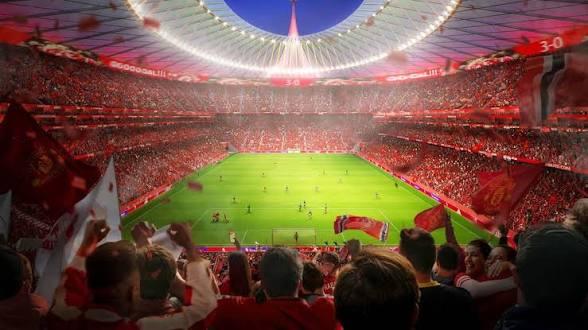
Manchester United has taken a major step toward realizing its vision of building a new 100,000-seat stadium after reportedly securing the land required for the project near the club's historic Old Trafford home.
The proposed stadium forms part of a broader regeneration initiative designed to modernize the area surrounding Old Trafford and reinforce Manchester United's position as one of the world's most commercially successful football clubs.
If completed, the venue would become one of the largest football stadiums in Europe and potentially the biggest club-owned football stadium in the United Kingdom.
According to reports, the club has made significant progress in securing the land necessary for the proposed stadium project, paving the way for further planning, consultations, and development work.
The move represents a crucial milestone in Manchester United's long-term infrastructure strategy, which aims to provide supporters with a world-class matchday experience while generating additional revenue streams.
Club officials have previously explored multiple options, including the redevelopment of the existing Old Trafford stadium or the construction of an entirely new venue nearby.
The latest development suggests the new stadium proposal is gaining momentum.
Why Manchester United Wants a New Stadium
Old Trafford has served as Manchester United's home since 1910 and remains one of the most iconic football venues in the world.
However, many observers believe the stadium requires substantial modernization to compete with newer facilities built by rival clubs across Europe.
A new stadium could provide:
Increased Capacity
A 100,000-seat venue would allow more supporters to attend matches and major events.
Improved Fan Experience
Modern stadium designs typically include enhanced hospitality areas, improved accessibility, advanced technology, and upgraded facilities.
Commercial Opportunities
Additional retail, entertainment, and event spaces could generate significant revenue for the club.
Global Competitiveness
A state-of-the-art stadium would strengthen Manchester United's ability to host major sporting events, concerts, and international tournaments.
The Old Trafford Debate
Discussions about the future of Old Trafford have intensified in recent years amid concerns about aging infrastructure and maintenance challenges.
Supporters have repeatedly called for improvements, while football analysts have pointed to newer stadiums across Europe as examples of how modern venues can transform a club's financial and sporting outlook.
The debate gained further prominence following the arrival of new investors and changes in the club's ownership structure, which renewed focus on long-term infrastructure investment.
Economic Impact of the Project
Experts believe the proposed stadium could have a transformative impact on the local economy.
Potential benefits include:
Job creation during construction.
Increased tourism.
Growth in local businesses.
Enhanced transportation infrastructure.
New investment opportunities in surrounding communities.
Urban development specialists note that large-scale stadium projects often serve as catalysts for wider regeneration efforts that extend beyond sport.
Reactions from Fans and Stakeholders
Manchester United supporters have expressed a mixture of excitement and caution regarding the plans.
Many fans welcome the prospect of a modern venue capable of matching the club's global stature.
Others have emphasized the importance of preserving the heritage and identity associated with Old Trafford, often referred to as the “Theatre of Dreams.”
Football commentators have described the project as one of the most significant stadium developments in European football if it proceeds as planned.
Challenges Ahead
Despite the progress reported, several hurdles remain before construction can begin.
These include:
Final planning approvals.
Environmental assessments.
Financing arrangements.
Infrastructure planning.
Community consultations.
Given the scale of the project, experts expect the planning and construction process to take several years.
With land acquisition reportedly moving forward, attention will now turn to detailed planning, regulatory approvals, and financing discussions.
Manchester United is expected to continue engaging with local authorities, supporters, and stakeholders as the project advances.
If successfully completed, the new 100,000-seat stadium could redefine the club's future and become one of the most recognizable sporting venues in the world, reinforcing Manchester United's ambition to remain at the forefront of global football.