


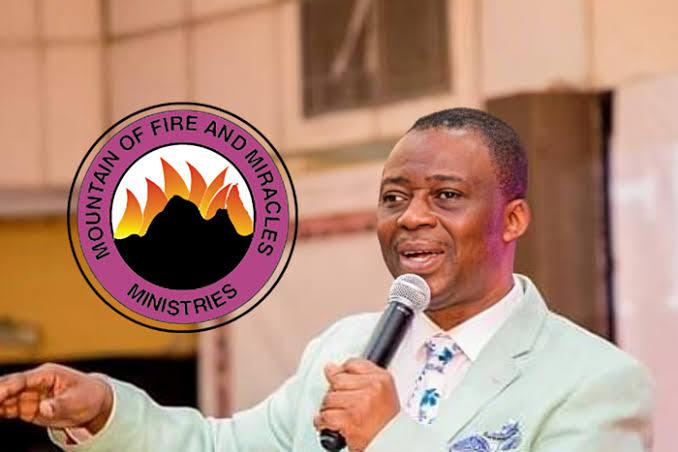
The Mountain of Fire and Miracles Ministries (MFM) has directed all its branches across Nigeria to suspend vigils, overnight prayer meetings, and related late-night religious gatherings due to prevailing security challenges in the country.
The decision, which affects thousands of worshippers nationwide, is aimed at safeguarding members and reducing potential security risks associated with night-time religious activities.
Church authorities said the measure was taken after careful consideration of the security situation in various parts of the country and the need to prioritize the safety and well-being of congregants.
Church Cites Rising Insecurity
According to the directive, the suspension applies to all vigils and programmes that require members to remain within church premises overnight.
The church leadership reportedly expressed concern over the increasing incidents of kidnapping, armed attacks, violent crimes, and other security threats affecting communities across Nigeria.
Religious gatherings held late at night have occasionally been identified as vulnerable to security breaches, particularly in areas facing persistent criminal activities.
Church officials emphasized that the decision was a precautionary measure intended to protect worshippers rather than disrupt spiritual activities.
What the Suspension Means
Under the new directive, branches of MFM are expected to suspend:
- Overnight prayer meetings.
- Night vigils.
- Extended late-night worship programmes.
- Similar activities requiring members to remain on church premises through the night.
However, regular worship services, prayer sessions, and other approved daytime church activities are expected to continue in accordance with local arrangements.
The church is also expected to provide guidance on alternative worship schedules and prayer programmes that can be conducted safely during daytime hours.
Security Challenges Affecting Religious Activities
Nigeria has faced a range of security challenges in recent years, including:
Kidnapping
Criminal groups have increasingly targeted individuals and institutions for ransom.
Armed Banditry
Communities in several regions have experienced attacks by heavily armed criminal gangs.
Terrorism and Insurgency
Parts of the North-East continue to face threats from extremist groups.
Violent Crime
Cases of robbery and attacks on public gatherings remain concerns in some areas.
These security challenges have prompted organizations, businesses, schools, and religious institutions to review operational procedures and adopt additional safety measures.
Religious Institutions Increasing Security Measures
The decision by MFM reflects a broader trend among religious organizations seeking to improve security for worshippers.
Across Nigeria, some churches and faith-based institutions have introduced measures such as:
- Enhanced security screening.
- Increased collaboration with security agencies.
- Deployment of private security personnel.
- Adjustments to worship schedules.
- Improved surveillance systems.
Security experts note that large gatherings, especially at night, often require additional protection due to heightened vulnerability.
Reactions from Worshippers
The announcement has generated mixed reactions among church members and observers.
While some worshippers expressed disappointment over the suspension of vigils, many acknowledged the importance of prioritizing safety.
Several members described the move as a responsible decision given current security realities.
Others noted that spiritual activities can continue through alternative arrangements without compromising the safety of congregants.
Community leaders and security advocates have also welcomed proactive measures aimed at protecting lives.
Impact on Religious Practice
Night vigils have long been a significant aspect of worship within many Pentecostal churches in Nigeria.
These gatherings are often used for:
- Intensive prayer sessions.
- Spiritual retreats.
- Special worship programmes.
- Deliverance services.
- Faith-building activities.
The suspension of such programmes may require churches to redesign schedules and develop alternative approaches for members who regularly participate in overnight worship.
Religious scholars note that faith communities have historically adapted their practices during periods of crisis while maintaining core spiritual objectives.
Security Experts Weigh In
Security analysts say the decision underscores the growing influence of security considerations on public and religious life.
According to experts, organizations must continuously assess risks and implement measures that reduce exposure to threats.
They argue that preventive actions often play a critical role in protecting lives and minimizing vulnerabilities.
Many security professionals recommend stronger collaboration between religious institutions, local communities, and law enforcement agencies to enhance safety.
Broader National Conversation on Security
The MFM directive comes amid ongoing national discussions about insecurity and public safety.
Stakeholders across various sectors have continued to call for:
- Improved intelligence gathering.
- Enhanced policing.
- Community-based security initiatives.
- Greater investment in security infrastructure.
- Stronger protection for vulnerable communities.
Observers say the decision by one of Nigeria's largest Pentecostal ministries highlights the extent to which security concerns continue to affect daily activities across the country.
Church branches are expected to implement the directive immediately while awaiting further guidance from the leadership of MFM.
Officials may continue to monitor security developments nationwide before reviewing the suspension in the future.
In the meantime, worshippers are encouraged to participate in approved church activities and comply with safety measures introduced by the ministry.
Security observers will be watching closely to see whether similar steps are adopted by other religious organizations facing comparable concerns.
The decision by the Mountain of Fire and Miracles Ministries to suspend vigils and overnight programmes nationwide reflects growing concerns about insecurity and public safety in Nigeria.
While the move temporarily alters a long-standing aspect of worship for many members, church leaders say protecting lives remains the highest priority. As security challenges continue to shape public activities across the country, religious institutions are increasingly adopting measures aimed at ensuring the safety of their congregations.