


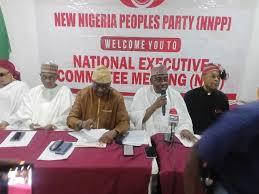
Fresh concerns have emerged over the future of the New Nigeria Peoples Party (NNPP) as a factional leader of the party warned that the prolonged leadership crisis within the organization could weaken its political fortunes ahead of the 2027 general elections.
The warning highlights growing anxiety among party stakeholders regarding the impact of internal divisions on the NNPP's ability to effectively compete in future electoral contests and maintain its position within Nigeria's evolving political landscape.
Political observers say unresolved disputes over leadership, party structure, and control of the organization could significantly affect the party's preparations for the next election cycle if not addressed promptly.
Factional Chairman Raises Alarm
The factional chairman expressed concern that the ongoing crisis has the potential to distract party members from critical preparations for the 2027 elections.
According to him, political parties require unity, stability, and clear leadership structures to effectively mobilize supporters, develop policy agendas, and present viable candidates for elective offices.
He warned that prolonged disagreements could weaken internal cohesion and reduce the party's ability to project a united front before voters.
The remarks come at a time when political parties across the country are beginning to position themselves strategically ahead of future electoral contests.
Understanding the NNPP Leadership Dispute
The NNPP has experienced internal disagreements in recent years, with competing factions laying claim to leadership positions and organizational authority.
Such disputes are not uncommon in Nigeria's political environment, where questions surrounding party leadership, candidate selection, and internal governance occasionally lead to divisions.
The current crisis has generated debate among party members and supporters regarding the direction of the party and the mechanisms needed to restore unity.
Analysts note that unresolved factional disputes can create uncertainty for party members, elected officials, and prospective candidates.
Why Internal Party Stability Matters
Political experts emphasize that strong internal structures are essential for the success of any political party.
A stable and united party is generally better positioned to:
Mobilize Supporters
Unified leadership helps coordinate grassroots activities and voter engagement efforts.
Develop Electoral Strategies
Political parties require effective planning and organization to compete successfully in elections.
Attract Candidates
Prospective candidates often prefer parties with stable leadership and clear structures.
Build Public Confidence
Voters tend to have greater confidence in parties perceived as organized and cohesive.
The factional chairman argued that resolving internal disputes should be treated as a priority if the party hopes to remain competitive in 2027.
NNPP's Growing Political Profile
The New Nigeria Peoples Party has gained increased national attention in recent election cycles, emerging as one of the country's notable opposition political parties.
The party attracted significant support in parts of the country and became a prominent participant in national political discourse.
Its growing visibility has heightened expectations among supporters who view the party as an alternative platform capable of influencing governance and democratic development.
However, political analysts note that sustaining political momentum often requires strong organizational discipline and effective conflict management.
Leadership Crises and Their Electoral Consequences
History has shown that internal party disputes can have major consequences for electoral performance.
Political scientists identify several risks associated with unresolved leadership conflicts:
Fragmentation of Support Base
Internal divisions may lead supporters to align with competing factions.
Reduced Campaign Effectiveness
Conflicts can divert attention and resources away from voter outreach and policy development.
Candidate Uncertainty
Potential aspirants may become reluctant to associate with parties experiencing prolonged instability.
Legal and Administrative Challenges
Leadership disputes can sometimes result in court cases and regulatory complications.
Experts warn that these factors can affect a party's ability to compete effectively during elections.
Reactions from Political Observers
Political analysts have described the warning as a reflection of broader concerns about internal democracy and party management.
Some observers argue that political parties must strengthen dispute-resolution mechanisms to address conflicts before they escalate.
Others note that factional disagreements are common in many democracies but become problematic when they remain unresolved for extended periods.
Several governance experts emphasized the importance of dialogue, reconciliation, and adherence to party constitutions in resolving leadership disputes.
Implications for the 2027 Elections
As Nigeria moves gradually toward the 2027 electoral cycle, political parties are expected to intensify organizational activities, membership drives, and strategic planning.
Analysts say the NNPP's ability to capitalize on political opportunities may depend significantly on how quickly it resolves its internal challenges.
A united party could potentially strengthen its influence and electoral competitiveness, while continued divisions may limit its effectiveness.
The leadership crisis also highlights broader questions about party governance and institutional development within Nigeria's democratic system.
The Importance of Internal Democracy
Political reform advocates argue that internal democracy remains essential for strengthening political parties and enhancing public confidence in democratic institutions.
Transparent leadership selection processes, effective conflict-resolution mechanisms, and respect for party rules are often cited as critical components of sustainable political organizations.
The NNPP crisis has therefore become part of a wider national conversation about party governance and democratic accountability.
Experts believe that how the dispute is managed could influence public perceptions of the party's readiness for future political contests.
Party stakeholders are expected to continue consultations and efforts aimed at resolving the leadership dispute.
Political observers anticipate further engagement among key actors as the party seeks to restore stability and prepare for upcoming political activities.
Whether through reconciliation, internal reforms, or legal mechanisms, many members are calling for a resolution that preserves party unity and strengthens organizational effectiveness.
The outcome of these efforts could play a significant role in determining the NNPP's trajectory ahead of the 2027 elections.
The warning by an NNPP factional chairman that the party's leadership crisis could undermine its prospects in the 2027 elections underscores the importance of unity and effective governance within political organizations.
As political parties position themselves for future contests, resolving internal disputes will likely remain a critical challenge for the NNPP. Stakeholders and supporters alike will be watching closely to see whether the party can overcome its divisions and emerge as a stronger force in Nigeria's political landscape.