



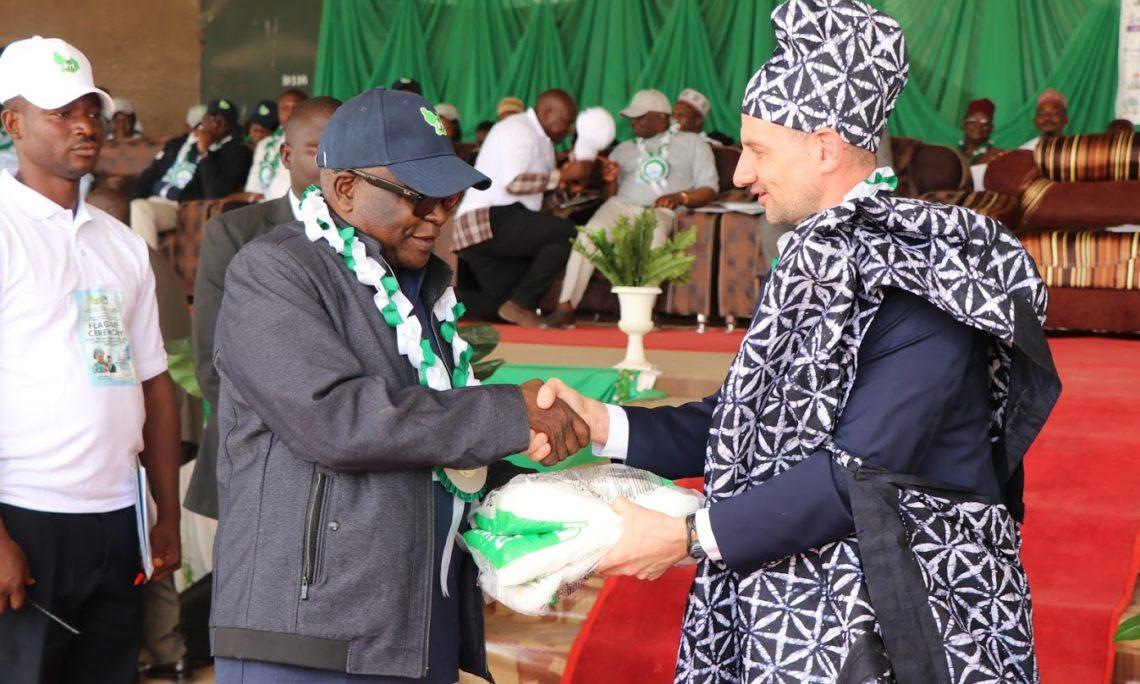
In a major effort to combat malaria and improve public health outcomes, the Osun State Government has begun the distribution of approximately 2.8 million insecticide-treated mosquito nets (ITNs) to households across the state.
The mass distribution campaign is designed to ensure that residents, particularly those in rural and underserved communities, have access to one of the most effective tools for preventing malaria transmission. Health officials say the initiative forms part of a broader strategy to reduce the prevalence of malaria, lower healthcare costs, and save lives.
The campaign comes amid continued efforts by federal and state authorities, international health organizations, and development partners to eliminate malaria as a major public health threat in Nigeria.
Malaria Remains a Major Health Challenge
Malaria remains one of the leading causes of illness and death in Nigeria despite decades of intervention efforts.
According to the World Health Organization (WHO), Nigeria accounts for a significant proportion of global malaria cases and deaths annually. The disease, transmitted through the bites of infected female Anopheles mosquitoes, disproportionately affects children under five years of age and pregnant women.
Health experts estimate that millions of Nigerians contract malaria every year, placing a heavy burden on families, healthcare facilities, and the economy. The disease contributes to school absenteeism, loss of productivity, and increased healthcare expenditures.
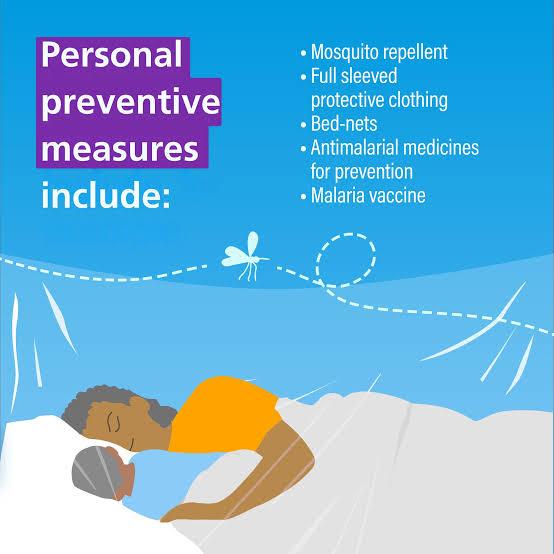
Over the years, insecticide-treated mosquito nets have been identified as one of the most effective and affordable methods of malaria prevention. Studies have consistently shown that sleeping under treated nets significantly reduces mosquito bites and lowers the risk of malaria infection.
The Osun State Government officially flagged off the distribution exercise, targeting households across all local government areas of the state.
Under the programme, residents will receive long-lasting insecticide-treated nets free of charge. The initiative is expected to cover millions of people, ensuring that families have adequate protection against mosquito bites, particularly during nighttime when malaria-transmitting mosquitoes are most active.
Health workers, community mobilizers, and volunteers have been deployed to coordinate the distribution process and educate residents on the proper use and maintenance of the mosquito nets.
Authorities have encouraged households to participate fully in the campaign and ensure that the nets are properly installed and used consistently.
Officials noted that ownership of mosquito nets alone is not enough; their effectiveness depends largely on regular and correct usage.
How Residents Can Collect the Nets
The distribution exercise is being carried out through designated collection points and community health structures across the state.
Residents are expected to cooperate with health officials and community representatives assigned to their areas. Information regarding collection schedules and distribution centers is being disseminated through local authorities, community leaders, health facilities, and public awareness campaigns.
The government has urged residents to take advantage of the opportunity and avoid selling or misusing the mosquito nets.
Past public health campaigns in parts of Nigeria have sometimes encountered challenges where mosquito nets intended for malaria prevention were diverted for other uses, including fishing and agricultural activities.
Health authorities emphasise that such practises undermine malaria control efforts and put communities at greater risk.
Why Mosquito Nets Matter
Medical experts regard insecticide-treated mosquito nets as one of the most successful public health interventions of the past two decades.
The nets serve two important functions:
Physical Protection
They create a protective barrier between sleeping individuals and mosquitoes, reducing exposure to bites.
Insecticidal Effect
The insecticide embedded within the net kills or repels mosquitoes that come into contact with it, helping reduce mosquito populations within communities.
Research has demonstrated that widespread use of treated nets can substantially reduce malaria-related hospital admissions and mortality rates.
For pregnant women, consistent use of mosquito nets helps prevent complications associated with malaria during pregnancy, including maternal anemia, low birth weight, and infant mortality.
Government’s Commitment to Public Health
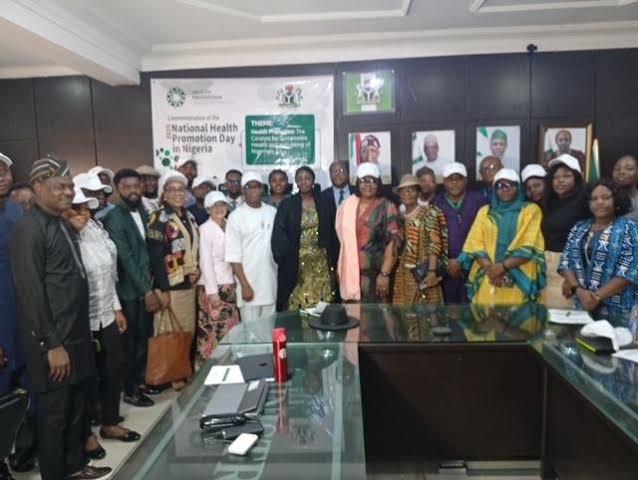
The mosquito net distribution campaign reflects the Osun State Government’s ongoing commitment to strengthening healthcare delivery and improving public health outcomes.
In recent years, state governments across Nigeria have increasingly partnered with international agencies, donor organizations, and health-focused non-governmental organizations to expand access to malaria prevention tools and treatment services.
Public health analysts say preventive measures such as mosquito net distribution are more cost-effective than treating malaria cases after infection occurs.
By investing in prevention, governments can reduce pressure on hospitals and clinics while improving overall community well-being.
Reactions from Health Experts and Stakeholders
Public health professionals have welcomed the initiative, describing it as a timely intervention that could significantly reduce malaria transmission if properly implemented.
Health experts note that successful malaria control requires a combination of strategies, including:
Consistent use of insecticide-treated nets
Environmental sanitation
Prompt diagnosis and treatment
Community education
Vector control measures
Community leaders and healthcare workers have also expressed optimism that the campaign will increase awareness about malaria prevention and encourage healthier practices among residents.
Several stakeholders emphasized the importance of sustained public education to ensure that households understand how to use and maintain the nets effectively.
Impact on Communities
The expected benefits of the distribution programme extend beyond individual households.
If widely adopted, the initiative could lead to:
Reduced malaria infections across the state
Lower healthcare expenditures for families
Improved school attendance among children
Increased productivity among workers
Reduced burden on healthcare facilities
Lower malaria-related mortality rates
Experts say community-wide use of mosquito nets can create a protective effect that benefits even those who may not consistently use the nets themselves.
This phenomenon, often referred to as "community protection," occurs when mosquito populations decline due to widespread exposure to insecticides.
Nigeria’s Fight Against Malaria
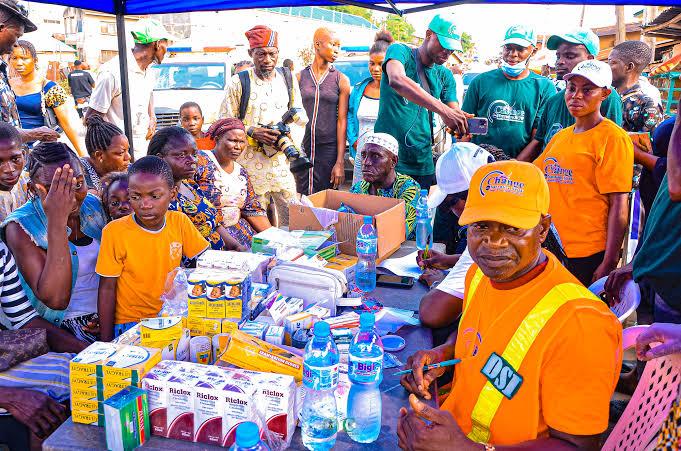
Nigeria has made notable progress in malaria prevention over the years, although challenges remain.
National malaria control programmes have focused on increasing access to mosquito nets, improving diagnostic testing, expanding treatment coverage, and strengthening public awareness campaigns.
The Federal Ministry of Health and Social Welfare, working alongside development partners such as the World Health Organization, UNICEF, and other global health agencies, continues to support interventions aimed at reducing malaria transmission nationwide.
However, experts warn that climate factors, population growth, urbanization, and funding constraints continue to complicate eradication efforts.
Sustained investment and community participation remain critical to achieving long-term success.
As the distribution exercise progresses across Osun State, health authorities will monitor implementation and assess coverage levels to ensure that targeted households receive the mosquito nets.
Officials are also expected to intensify public awareness campaigns aimed at promoting proper usage and encouraging behavioral changes that support malaria prevention.
The success of the programme will ultimately depend not only on the number of nets distributed but also on how consistently residents use them.
For many families across Osun State, the initiative represents an opportunity to reduce their vulnerability to malaria and contribute to broader efforts aimed at building healthier communities.
With millions of mosquito nets now being deployed across the state, health authorities hope the campaign will mark another significant step toward reducing malaria infections and improving public health outcomes for residents.
Osun mosquito net distribution, Osun State malaria campaign, insecticide-treated mosquito nets, malaria prevention Nigeria, Osun health news, malaria control programme, mosquito net distribution exercise, Nigeria public health initiative, malaria eradication efforts, Osun State government health programme.
Osun State begins distribution of 2.8 million insecticide-treated mosquito nets to households in a major effort to combat malaria and improve public health.