


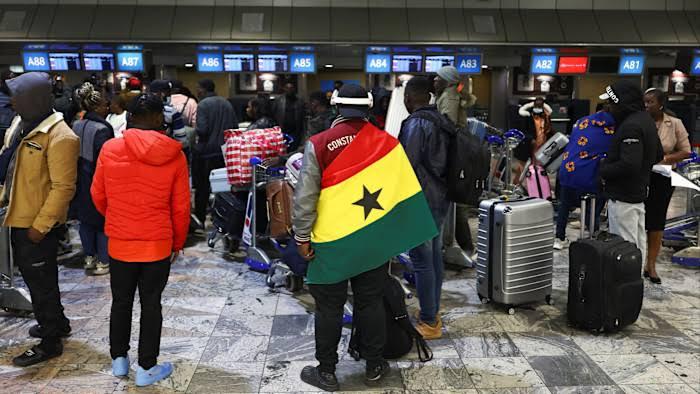
South Africa is once again at the center of a continental conversation on xenophobia and migration following renewed criticism over anti-foreigner sentiments and actions reported in parts of the country.
The issue gained fresh attention after discussions featured in So This Happened (Episode 404) highlighted growing concerns among Africans living and working in South Africa, as well as reactions from citizens of other African nations who view the situation as a threat to regional integration and Pan-African ideals.
For years, South Africa has grappled with tensions surrounding immigration, unemployment, crime, and economic inequality. While many South Africans argue that the country faces significant socioeconomic pressures, critics say migrants are too often blamed for problems that stem from deeper structural challenges.
Recent debates have centered on increasing anti-foreigner rhetoric and campaigns targeting undocumented migrants and foreign-owned businesses in some communities.
Critics argue that these actions have fueled hostility toward immigrants from countries such as Nigeria, Zimbabwe, Mozambique, Ethiopia, Somalia, and other African nations.
Supporters of stricter immigration enforcement, however, maintain that authorities must address illegal migration, pressure on public services, and concerns about criminal activities linked to undocumented individuals.
The renewed attention generated by So This Happened has reignited broader discussions about whether South Africa is adequately balancing immigration enforcement with the protection of human rights and social cohesion.
A Long History of Xenophobic Tensions
South Africa has experienced several waves of xenophobic violence and anti-immigrant protests since the end of apartheid.
Major incidents occurred in:
2008
Violent attacks against foreign nationals resulted in dozens of deaths and widespread displacement.
2015
Fresh outbreaks of violence targeted migrant-owned businesses and communities.
2019
Several cities witnessed attacks, looting, and destruction of properties linked to foreign nationals.
Each wave of unrest generated condemnation from African governments, civil society organizations, and international human rights groups.
The incidents also raised difficult questions about economic inequality, unemployment, social exclusion, and governance.
Why the Issue Remains Sensitive
South Africa remains one of Africa's largest economies and continues to attract migrants seeking employment, education, business opportunities, and improved living conditions.
However, the country also faces significant domestic challenges, including:
- High unemployment rates.
- Rising cost of living.
- Income inequality.
- Crime and insecurity.
- Pressure on public infrastructure.
Some political groups argue that uncontrolled migration worsens these problems, while migration experts contend that migrants often contribute positively to economic growth and entrepreneurship.
The competing narratives have made immigration one of the country's most divisive public policy issues.
Impact on Businesses and Economic Relations
One of the most visible consequences of anti-foreigner tensions has been the impact on businesses.
Foreign-owned shops and small enterprises have frequently been among the targets during outbreaks of violence or protests.
Business leaders warn that instability can discourage investment, disrupt trade, and damage South Africa's reputation as a destination for entrepreneurs and investors.
Regional economic analysts note that tensions involving foreign nationals can also affect commercial relationships between South Africa and other African countries.
As the continent continues implementing the African Continental Free Trade Area (AfCFTA), many experts stress the importance of fostering cooperation rather than division.
The issue has sparked strong reactions from citizens, governments, and commentators across the continent.
Many Africans have expressed disappointment, pointing to South Africa's historical support during liberation struggles across Africa.
Critics argue that hostility toward fellow Africans contradicts the spirit of Pan-African solidarity and regional integration.
Others have urged African governments to avoid inflammatory rhetoric and instead pursue constructive diplomatic engagement aimed at addressing concerns on all sides.
Human rights organizations have consistently called for stronger protection of migrants and refugees, regardless of their nationality or legal status.
Social media platforms have amplified discussions surrounding xenophobia in South Africa.
Videos, eyewitness accounts, and commentary frequently circulate online, often generating emotional reactions and diplomatic debates.
While some content raises awareness of genuine concerns, analysts caution that misinformation and unverified claims can also inflame tensions and deepen divisions.
Experts emphasize the need for responsible reporting and fact-based public discourse when discussing migration-related issues.
Beyond Immigration
Many scholars argue that anti-foreigner sentiment cannot be understood solely through the lens of immigration.
According to researchers, broader issues such as:
- Poverty.
- Economic inequality.
- Youth unemployment.
- Housing shortages.
- Public service challenges.
- Political frustrations.
often contribute to tensions that are later directed toward migrants.
Experts suggest that long-term solutions require addressing these structural problems while promoting social inclusion and community dialogue.
South African authorities continue to face pressure to address concerns about immigration while ensuring the protection of constitutional rights and preventing discrimination.
Regional leaders and civil society groups are also expected to continue advocating for peaceful coexistence and stronger African unity.
As debates over migration, economic opportunity, and national identity persist, the challenge will be finding solutions that protect both citizens and migrants while preserving social stability.
For many observers, the controversy serves as a reminder that Africa's future prosperity depends not only on economic cooperation but also on mutual respect and solidarity among its people.