


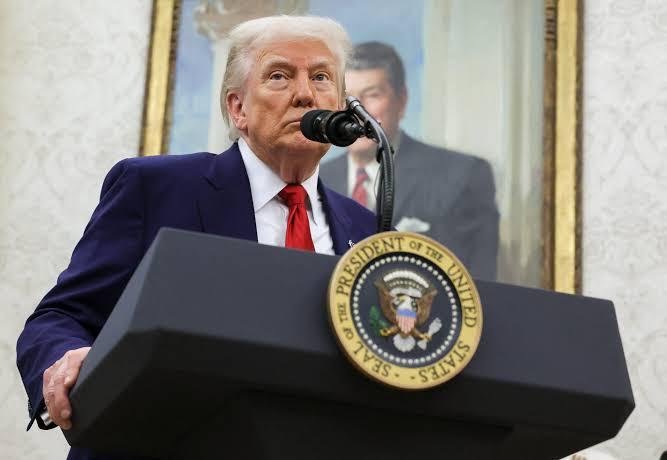
A federal judge in the United States has struck down a controversial set of immigration restrictions introduced by President Donald Trump's administration that targeted legal immigrants from 39 countries. The court ruling, delivered on Friday, represents a major development in the ongoing legal and political battles surrounding immigration policy in America.
The restrictions had been implemented following a deadly incident involving an Afghan immigrant accused of shooting two members of the National Guard. The Trump administration argued that the measures were necessary to strengthen national security and improve immigration screening processes. Critics, however, contended that the policies unfairly punished millions of lawful immigrants and raised serious constitutional concerns.
The latest judicial intervention has once again placed the spotlight on the balance between national security interests and the rights of legal immigrants residing in the United States.
The legal dispute centered on a series of executive actions and administrative measures introduced by the Trump administration after a shooting incident involving an Afghan-born immigrant.
According to government officials, the administration responded by tightening immigration requirements and imposing additional restrictions affecting legal immigrants from 39 countries. The measures reportedly included increased scrutiny of visa holders, stricter residency requirements, expanded background checks, and limitations on certain immigration benefits.
Civil rights organizations, immigrant advocacy groups, and legal experts challenged the restrictions in court, arguing that they exceeded executive authority and unfairly targeted individuals who had entered or remained in the United States through lawful channels.
On Friday, the federal judge ruled against the administration, concluding that significant portions of the restrictions were inconsistent with federal immigration laws and constitutional protections.
The decision effectively blocks enforcement of the challenged measures while further legal proceedings continue.
Trump's Immigration Agenda
Immigration has remained one of the defining issues of Donald Trump's political career.
During his first term in office, Trump introduced a series of high-profile immigration policies aimed at reducing both legal and illegal immigration. These included travel bans affecting several predominantly Muslim countries, stricter asylum policies, enhanced border enforcement, and efforts to reform the legal immigration system.
Supporters of these policies argued that stronger immigration controls were necessary to protect American jobs, safeguard national security, and ensure proper vetting of individuals entering the country.
Opponents, however, accused the administration of pursuing policies that discriminated against immigrants and undermined America's long-standing reputation as a nation of immigrants.
The latest restrictions formed part of this broader policy framework and quickly became the subject of intense legal scrutiny.
Legal Arguments Presented in Court
Attorneys representing immigrant groups argued that the administration's actions unlawfully targeted legal immigrants based on nationality rather than individual conduct.
They maintained that lawful permanent residents, visa holders, and other legal immigrants should not be subjected to sweeping restrictions because of the actions of a single individual.
The plaintiffs also contended that the measures violated due process protections guaranteed under the US Constitution.
Government lawyers defended the policies, arguing that the executive branch possesses broad authority to regulate immigration and respond to national security threats.
They pointed to the Afghan immigrant shooting case as evidence that enhanced screening measures were necessary to prevent future security risks.
The court ultimately sided with the challengers, finding that the restrictions appeared overly broad and insufficiently justified under existing legal standards.
Reactions to the Ruling
The ruling generated immediate reactions from political leaders, immigration advocates, and legal experts across the United States.
Immigrant rights organizations welcomed the decision, describing it as a victory for fairness, constitutional protections, and the rule of law.
Several advocacy groups argued that lawful immigrants contribute significantly to American society and should not face collective penalties based on isolated criminal acts.
Legal analysts noted that the judgment reinforces judicial oversight of executive actions, particularly in areas involving civil liberties and immigration enforcement.
Supporters of the Trump administration, however, criticized the decision and argued that it could limit the government's ability to respond swiftly to emerging security threats.
Some conservative commentators warned that the ruling could create additional challenges for future administrations seeking to tighten immigration controls.
Impact on Legal Immigrants
The court's decision is expected to provide immediate relief to thousands of immigrants who faced uncertainty under the restrictions.
Affected individuals include lawful permanent residents, work visa holders, students, family-based immigrants, and others who had complied with US immigration laws.
Immigration attorneys say the ruling may restore access to certain benefits and reduce administrative hurdles imposed by the challenged measures.
For many immigrant communities, the decision represents reassurance that legal status alone should provide protection from broad policy actions not supported by clear legal authority.
Employers, universities, and community organizations that rely on immigrant talent may also benefit from increased policy stability.
Immigration and National Security Debate Continues
The case highlights a long-running debate in American politics: how to balance national security concerns with immigration rights.
Federal authorities have repeatedly emphasized the importance of thorough vetting procedures, particularly in response to security incidents involving immigrants.
At the same time, civil liberties advocates argue that security policies must remain narrowly tailored and evidence-based to avoid unfairly targeting entire populations.
Experts note that isolated criminal cases involving immigrants often generate significant political attention but do not necessarily reflect broader immigration trends.
Numerous studies have found that immigrants, including legal immigrants, generally commit crimes at rates comparable to or lower than native-born citizens, though the issue remains politically contentious.
Broader Political Implications
The ruling arrives at a time when immigration continues to rank among the most important issues in American politics.
As political leaders debate border security, refugee admissions, legal migration pathways, and workforce needs, court decisions such as this one are likely to shape future policy discussions.
The outcome may also influence how future administrations design immigration measures to withstand judicial scrutiny.
Legal experts suggest that policymakers will need to carefully balance executive authority with constitutional protections when crafting future immigration regulations.
The Trump administration is expected to review the ruling and may pursue an appeal in a higher federal court.
If appealed, the case could eventually reach a federal appellate court and potentially the US Supreme Court, depending on the legal questions involved.
For now, the judge's order blocks enforcement of the challenged restrictions and provides temporary relief for affected immigrants.
The broader legal battle, however, is unlikely to end soon.
As immigration remains a deeply divisive issue in American politics, further courtroom challenges and policy disputes are expected in the months ahead.
The federal court's decision to block immigration restrictions targeting legal immigrants from 39 countries represents a significant moment in the ongoing debate over immigration policy in the United States.
While supporters of stricter immigration controls argue that enhanced measures are necessary to protect national security, critics maintain that lawful immigrants should not face sweeping restrictions without clear legal justification.
The ruling underscores the judiciary's critical role in reviewing executive actions and ensuring that government policies comply with constitutional and statutory requirements. As appeals and political debates continue, the case is likely to remain a key reference point in America's evolving immigration landscape.