


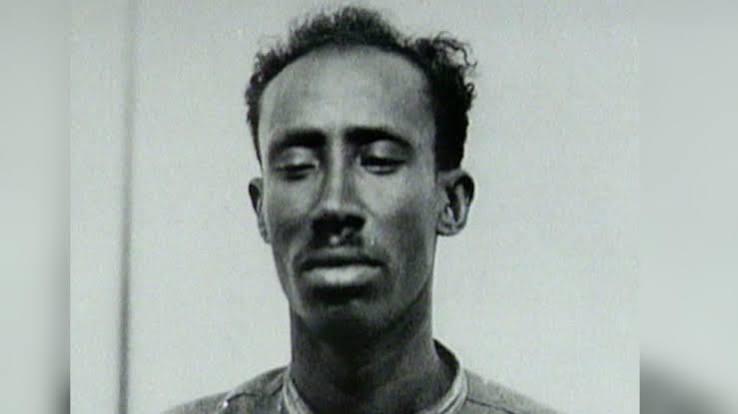
A Nigerian widow has shared the emotional story of her son, who she says has spent nearly three decades on death row following a robbery conviction she insists was based on a false accusation.
According to the grieving mother, her son was only 17 years old when he was arrested and later convicted. Now 45, she says he remains incarcerated while the family continues to seek justice and a review of his case.
Her account has drawn widespread public attention, with many Nigerians expressing concern over prolonged death row incarceration and renewed calls for reforms within the country's criminal justice system.
Speaking about her family's ordeal, the widow alleged that her son was wrongfully accused of armed robbery as a teenager and subsequently sentenced to death.
She maintains that he was innocent of the allegations and has spent the past 28 years awaiting the resolution of his legal situation.
The mother described the emotional, financial, and psychological toll the prolonged incarceration has had on her family, saying they have continued to pursue every available legal avenue in the hope of securing justice.
At the time of her appeal, there was no independent judicial determination available to substantiate the claim that the conviction was wrongful. Her account reflects the family's position and allegations.
Nigeria retains the death penalty in law for several offences, including armed robbery in certain circumstances, although executions have become relatively rare in recent years.
Many inmates sentenced to death remain on death row for extended periods while pursuing appeals, awaiting executive decisions on clemency, or facing delays within the judicial process.
Legal experts have repeatedly raised concerns about case backlogs, lengthy appeal processes, and prison congestion, arguing that prolonged incarceration without final resolution places significant strain on inmates and their families.
Human rights organisations have also advocated reforms aimed at improving access to justice, expediting appeals, and ensuring fair trial standards.
Family's Appeal for Justice
The widow said her greatest wish is to see her son's case revisited before it is too late.
She described the years of uncertainty as devastating, explaining that her son entered prison as a teenager and has now spent most of his life behind bars.
According to her, the family continues to believe that a comprehensive review of the evidence would establish his innocence.
Her emotional appeal has resonated with many Nigerians, particularly those concerned about alleged miscarriages of justice and delays in criminal proceedings.
Legal Perspective
Under Nigeria's legal system, individuals convicted of serious offences have the right to challenge their convictions through the appellate courts.
Where new evidence emerges or procedural irregularities are identified, the law provides mechanisms for judicial review in appropriate circumstances.
Legal practitioners note, however, that every criminal conviction is based on judicial findings, and any claim of wrongful conviction must ultimately be determined through the courts rather than public opinion.
They also emphasise that allegations made by relatives should be carefully distinguished from established judicial facts unless supported by court rulings.
Reactions
The widow's account has generated significant discussion on social media and among civil society groups.
Some Nigerians expressed sympathy for the family and called for a review of long-standing death row cases.
Others urged caution, stressing that while allegations of wrongful conviction deserve serious attention, conclusions should only be reached after examining court records and legal proceedings.
Several commentators also renewed calls for reforms that would reduce delays in the administration of justice.
Impact on Nigeria's Criminal Justice System
The case has once again highlighted broader conversations surrounding:
- Delays in criminal appeals.
- Prison congestion.
- Access to legal representation.
- Death row conditions.
- Judicial efficiency.
- Human rights protections.
Justice sector observers argue that resolving long-pending criminal cases promptly benefits not only defendants but also victims, families, and society by strengthening confidence in the rule of law.
Whether the case proceeds to further judicial review will depend on the legal options available to the inmate and any applications filed before the appropriate courts or relevant authorities.
Human rights advocates continue to encourage periodic reviews of prolonged death row cases, particularly where credible claims of procedural errors or new evidence are presented.
Meanwhile, legal experts maintain that any decision regarding the conviction or sentence must follow established judicial processes.
Expert Analysis
Criminal justice analysts say prolonged incarceration before the conclusion of all legal processes remains one of the major challenges facing Nigeria's justice system.
They recommend increased investment in judicial infrastructure, improved legal aid services, digitisation of court records, and faster hearing of criminal appeals to reduce case backlogs.
Analysts also emphasise the importance of balancing the rights of defendants with the interests of victims and the integrity of the judicial process.
The widow's emotional account has brought renewed attention to concerns about lengthy death row incarceration and the importance of timely justice in Nigeria.
While her claims of wrongful conviction remain allegations unless overturned or reviewed by a competent court, the story has contributed to broader discussions about judicial reform, human rights, and the need to ensure that every criminal case receives fair and timely consideration.