


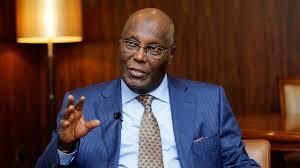
Former Vice President and presidential candidate of the opposition People's Democratic Party (PDP), Atiku Abubakar, has expressed concern over Nigeria's worsening security situation, accusing the Federal Government of failing to learn from past mistakes in its fight against terrorism and other forms of violent crime.
Atiku's remarks come amid continued concerns over insurgency, banditry, kidnappings, communal clashes, and attacks on communities in various parts of the country. The former vice president argued that despite years of security operations and significant government spending on defense, many Nigerians continue to live under the threat of violence and displacement.
He called for a comprehensive review of the nation's security architecture, warning that the continued spread of insecurity poses a serious threat to national stability, economic growth, and public confidence.
Atiku Raises Alarm Over Security Challenges
In his criticism of the government's handling of security issues, Atiku said recurring attacks and the expansion of criminal activities suggest that existing strategies have not delivered the desired results.
According to him, authorities must acknowledge shortcomings in previous approaches and adopt more effective measures capable of addressing the root causes of insecurity.
The former vice president stressed that protecting lives and property remains one of the primary responsibilities of government and should be treated as a national priority.
He argued that the persistence of attacks on communities, security personnel, and critical infrastructure demonstrates the need for renewed commitment and innovative solutions.
Growing Concerns Over Terrorism and Violent Crime
Nigeria has continued to grapple with multiple security threats over the past decade.
In the North-East, insurgency-related activities have remained a major concern despite military offensives against extremist groups. In parts of the North-West and North-Central regions, banditry, cattle rustling, and mass kidnappings have disrupted livelihoods and forced thousands of residents to flee their communities.
Several southern states have also recorded incidents of kidnapping and violent crime, highlighting the nationwide nature of the security challenge.
Security analysts note that these threats have placed immense pressure on security agencies and affected economic activities, particularly in agriculture, transportation, and commerce.
Nigeria's Long Battle Against Insecurity
Successive administrations have invested heavily in security operations aimed at curbing terrorism, banditry, and organized crime.
Military campaigns, intelligence operations, community policing initiatives, and regional security collaborations have been deployed to address the crisis. However, despite some successes in reclaiming territories and neutralizing criminal elements, attacks continue to occur in different parts of the country.
Experts attribute the complexity of Nigeria's security challenges to a combination of factors, including poverty, unemployment, weak border control, illegal arms proliferation, communal conflicts, and governance issues.
Many analysts argue that long-term solutions must address both security enforcement and underlying socio-economic conditions that contribute to instability.
Calls for Urgent Reforms
Atiku's comments included calls for urgent reforms within the country's security and intelligence systems.
He advocated stronger coordination among security agencies, improved intelligence gathering, enhanced operational effectiveness, and greater accountability in the management of security resources.
The former vice president also emphasized the importance of modern technology in combating criminal networks, arguing that surveillance systems, intelligence-driven operations, and data analysis should play a larger role in national security efforts.
According to him, a more proactive approach is needed to prevent attacks rather than merely responding after incidents occur.
Impact of Insecurity on Nigerians
The effects of insecurity continue to be felt across multiple sectors of the economy and society.
Agriculture
Many farmers in conflict-prone regions have reportedly abandoned farmlands due to fear of attacks, contributing to food production challenges and concerns about food security.
Education
Schools in some affected communities have experienced disruptions, while incidents involving student abductions have heightened concerns about safety in educational institutions.
Business and Investment
Investors often consider security conditions when making business decisions. Persistent insecurity can discourage investment, increase operational costs, and slow economic growth.
Humanitarian Crisis
Violence and displacement have created humanitarian challenges, with many affected families requiring assistance, shelter, healthcare, and social support.
Experts warn that prolonged insecurity can have long-lasting consequences for national development if not effectively addressed.
Reactions from Political and Security Stakeholders
Atiku's remarks have generated reactions from political actors, security analysts, and civil society organizations.
Supporters of the former vice president argue that his concerns reflect the frustrations of many Nigerians who continue to face security threats in their communities.
However, government supporters often maintain that security agencies are making progress under challenging circumstances and point to ongoing military operations, arrests of criminal suspects, and efforts to strengthen security institutions.
Security experts generally agree that while progress has been made in certain areas, the complexity of modern security threats requires continuous adaptation and strategic improvements.
Government Efforts to Address Insecurity
Federal authorities have repeatedly stated their commitment to combating insecurity through coordinated military and law enforcement operations.
Recent years have seen increased investment in military equipment, intelligence capabilities, and inter-agency collaboration. Authorities have also introduced initiatives aimed at strengthening border security and disrupting criminal networks.
Government officials have frequently urged citizens to cooperate with security agencies by providing credible information that can assist investigations and preventive operations.
Despite these efforts, public debate continues over whether existing strategies are sufficient to address the scale of the challenge.
As security concerns remain at the forefront of national discourse, stakeholders are expected to continue pushing for reforms and policy adjustments.
Political leaders, security professionals, community organizations, and development experts are likely to intensify discussions on how best to improve national security and protect vulnerable communities.
Analysts suggest that future efforts may focus on enhancing intelligence gathering, strengthening local policing structures, investing in technology, addressing socio-economic drivers of conflict, and improving coordination among security agencies.
The effectiveness of these measures will play a significant role in shaping public confidence and the country's broader development trajectory.
Atiku Abubakar's criticism of the Federal Government's handling of insecurity has once again brought national attention to one of Nigeria's most pressing challenges. His assertion that authorities have failed to learn from past mistakes reflects growing concerns over the persistence of terrorism, banditry, kidnapping, and other security threats.
While opinions differ on the effectiveness of current strategies, there is broad consensus that improving security remains essential for protecting lives, promoting economic growth, and ensuring national stability. As calls for reform continue, Nigerians will be watching closely to see how policymakers and security agencies respond to the evolving threat landscape.