


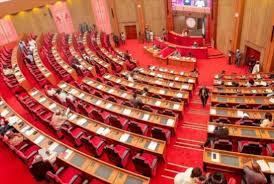
Corporate Accountability and Public Participation Africa (CAPPA) has commended the Nigerian Senate for passing a bill seeking to reform the country's taxation framework on Sugar-Sweetened Beverages (SSBs), describing the move as a critical step toward improving public health and reducing the prevalence of non-communicable diseases.
The advocacy organization urged the House of Representatives to support and pass the legislation, arguing that stronger fiscal measures targeting sugary drinks could play a significant role in addressing health challenges linked to excessive sugar consumption.
The development has reignited discussions among policymakers, public health experts, industry stakeholders, and consumer advocacy groups over the role of taxation in promoting healthier lifestyles and reducing healthcare costs.
CAPPA Welcomes Senate Action
CAPPA praised the Senate's decision as evidence of growing recognition of the health risks associated with high consumption of sugar-sweetened beverages.
According to the organization, strengthening SSB taxation policies aligns with global public health recommendations aimed at discouraging excessive intake of sugary products while encouraging healthier consumer choices.
The group noted that Nigeria, like many countries, is facing an increasing burden of non-communicable diseases such as diabetes, obesity, cardiovascular diseases, and hypertension.
CAPPA argued that preventive measures, including taxation and public awareness campaigns, are essential components of a comprehensive national health strategy.
The organization also called on lawmakers in the House of Representatives to demonstrate similar commitment by approving the proposed reforms.
Understanding Sugar-Sweetened Beverage Taxes
Sugar-Sweetened Beverage taxes are levies imposed on drinks containing added sugars, including many carbonated soft drinks, energy drinks, flavored beverages, and certain processed juices.
Public health advocates support such taxes on the grounds that they can:
- Reduce consumption of high-sugar products.
- Encourage healthier dietary choices.
- Generate revenue for health programs.
- Lower rates of obesity and diabetes.
- Reduce long-term healthcare costs.
Supporters argue that evidence from several countries suggests that higher prices resulting from SSB taxes can influence purchasing behavior and contribute to improved public health outcomes.
Why Public Health Experts Support the Tax
Medical experts have consistently warned about the health implications of excessive sugar consumption.
High intake of sugary beverages has been associated with an increased risk of:
Obesity
Excessive calorie consumption from sugary drinks can contribute to unhealthy weight gain.
Type 2 Diabetes
Frequent consumption of sugar-laden beverages has been linked to elevated risks of developing diabetes.
Cardiovascular Diseases
Research indicates that excessive sugar intake may contribute to heart-related health conditions.
Dental Health Problems
Sugary drinks are a major contributor to tooth decay and other oral health issues.
Public health professionals argue that taxation serves as one tool among many needed to address these challenges.
Nigeria's Fight Against Non-Communicable Diseases
Non-communicable diseases (NCDs) have emerged as a growing public health concern in Nigeria.
Traditionally, infectious diseases dominated health discussions in many developing countries. However, changing lifestyles, urbanization, dietary patterns, and reduced physical activity have contributed to rising rates of chronic illnesses.
Health experts note that NCDs now account for a significant proportion of illness and mortality globally.
In Nigeria, increasing cases of diabetes, hypertension, obesity, and cardiovascular diseases have placed additional pressure on healthcare systems already managing infectious disease burdens.
As a result, policymakers and health advocates have increasingly explored fiscal and regulatory measures aimed at reducing risk factors associated with these conditions.
Global Experience with Sugar Taxes
Several countries around the world have introduced taxes on sugary drinks as part of broader public health initiatives.
Examples include:
- Mexico
- South Africa
- United Kingdom
- Saudi Arabia
- United Arab Emirates
- Philippines
Studies conducted in some of these jurisdictions have reported declines in purchases of sugary beverages following the introduction of taxation measures.
The World Health Organization has also supported fiscal policies designed to reduce sugar consumption, particularly among children and young adults.
Advocates in Nigeria argue that strengthening the country's SSB tax framework could align with international best practices in public health policy.
Industry Concerns and Counterarguments
Despite support from health organizations, the proposal has also attracted concerns from some industry stakeholders.
Manufacturers and business groups often argue that higher taxes could:
- Increase production costs.
- Raise consumer prices.
- Affect employment within the beverage sector.
- Impact business competitiveness.
Industry representatives frequently advocate balanced approaches that combine public education, product reformulation, and consumer choice rather than relying solely on taxation.
The debate highlights the challenge policymakers face in balancing economic considerations with public health objectives.
Potential Impact of the Reform
If enacted and effectively implemented, advocates believe the tax reform could deliver several benefits.
Improved Public Health Outcomes
Reduced consumption of sugary beverages could contribute to lower rates of obesity and diabetes over time.
Increased Public Awareness
The legislation may encourage broader discussions about nutrition and healthy lifestyles.
Revenue Generation
Government revenues derived from the tax could potentially support healthcare programs and disease prevention initiatives.
Healthier Product Innovation
Manufacturers may be encouraged to develop lower-sugar alternatives to meet changing consumer preferences.
Experts caution, however, that taxation alone is unlikely to solve public health challenges and should be accompanied by education campaigns and broader nutrition policies.
Reactions from Health and Civil Society Groups
Several public health organizations and advocacy groups have welcomed the Senate's action.
Supporters describe the legislation as a proactive response to an emerging health crisis and an important investment in preventive healthcare.
Health professionals argue that reducing exposure to risk factors is often more effective and less costly than treating chronic diseases after they develop.
Many stakeholders have also emphasized the need for transparent implementation and effective monitoring should the legislation become law.
With the following Senate approval, attention now shifts to the House of Representatives, where lawmakers will consider the bill.
If passed by the House and subsequently signed into law, the reforms could reshape Nigeria's approach to public health taxation and preventive healthcare policy.
Observers expect continued engagement among lawmakers, health experts, industry representatives, and civil society organizations as the legislative process progresses.
The outcome will likely influence future debates on nutrition policy, healthcare financing, and disease prevention strategies in Nigeria.
CAPPA's endorsement of the Senate's approval of the Sugar-Sweetened Beverage tax reform bill reflects growing support for stronger public health interventions aimed at reducing the burden of non-communicable diseases in Nigeria.
While debate continues over the economic and social implications of the proposed reforms, advocates maintain that the long-term health benefits could be substantial. As the House of Representatives prepares to consider the legislation, the discussion is expected to remain at the forefront of national conversations on public health, nutrition, and healthcare sustainability.