


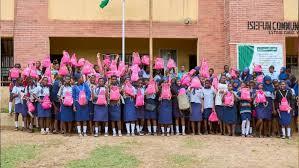
A non-governmental organization, NOLA Africa, has called for increased investment in menstrual health education and reproductive health awareness for adolescent girls in underserved communities, emphasizing the need to break long-standing cultural taboos and improve access to accurate information.
The organization said many young girls continue to face challenges associated with menstruation due to widespread stigma, misinformation, and limited access to menstrual hygiene products and reproductive health education.
Speaking on the importance of the initiative, the organization noted that discussions surrounding menstrual and reproductive health remain sensitive in many communities, often leaving girls without the knowledge and support they need during adolescence.
“For many girls, conversations around menstrual and reproductive health are still surrounded by silence and stigma. We wanted to help change that in a way that feels practical, relatable, and community-driven,” the organization stated.
The call comes amid growing advocacy efforts by health experts, educators, and civil society organizations seeking to improve menstrual health management and promote gender equality across Nigeria.
Breaking the Silence Around Menstruation
Despite increased awareness campaigns in recent years, menstruation remains a topic that many girls find difficult to discuss openly due to cultural beliefs and social misconceptions.
Health advocates argue that silence surrounding menstruation often contributes to:
- Poor menstrual hygiene practices.
- Increased school absenteeism.
- Low self-esteem among adolescent girls.
- Limited access to reproductive health information.
- Persistent myths and misinformation.
Experts say comprehensive menstrual health education can empower girls to better understand their bodies and make informed decisions about their health.
Why Menstrual Health Education Matters
According to public health specialists, menstrual health is a critical component of adolescent health and development.
Access to accurate information enables girls to manage menstruation safely and confidently while reducing the risk of health complications associated with poor hygiene practices.
Menstrual health education also contributes to:
Improved School Attendance
Girls who have access to menstrual hygiene products and education are more likely to remain in school during their menstrual periods.
Better Health Outcomes
Knowledge of proper menstrual hygiene can help prevent infections and promote overall well-being.
Increased Confidence
Understanding menstrual health helps girls navigate adolescence with greater confidence and self-esteem.
Gender Equality
Addressing menstrual stigma supports broader efforts to promote equal opportunities for girls and women.
Challenges Facing Girls in Underserved Communities
Many communities across Nigeria continue to face significant barriers to menstrual health management.
These challenges often include:
Limited Access to Sanitary Products
For some families, the cost of sanitary pads and related products remains a major obstacle.
Lack of Clean Water and Sanitation Facilities
Inadequate access to water, toilets, and hygiene facilities can make menstrual management difficult.
Cultural Stigma
Negative perceptions and taboos surrounding menstruation can discourage open conversations.
Insufficient Health Education
Many girls receive little or no formal education on menstruation before reaching puberty.
Health advocates say addressing these challenges requires coordinated action from governments, schools, healthcare providers, and community organizations.
Menstrual Health in Nigeria
Menstrual hygiene management has increasingly become a focus of public health and educational initiatives in Nigeria.
According to development organizations, millions of girls and women face challenges accessing affordable menstrual products and reliable reproductive health information.
Studies have shown that inadequate menstrual health support can contribute to school absenteeism and affect educational outcomes, particularly in low-income and rural communities.
Advocates argue that improving menstrual health services is essential for achieving broader development goals, including quality education, gender equality, and improved public health.
Community-Based Approach to Awareness
NOLA Africa emphasized the importance of community-driven solutions in addressing menstrual health challenges.
The organization noted that involving parents, teachers, healthcare workers, and community leaders can help create supportive environments where girls feel comfortable seeking information and assistance.
Community engagement initiatives often include:
- Educational workshops.
- School outreach programmes.
- Distribution of menstrual hygiene products.
- Awareness campaigns.
- Peer mentoring activities.
Experts say these interventions can help normalize conversations about menstruation and reduce stigma.
Reproductive Health Education Beyond Menstruation
Advocates also stress that menstrual health education should be integrated into broader reproductive health awareness programmes.
Comprehensive reproductive health education can help young people understand:
- Puberty and bodily changes.
- Personal hygiene practices.
- Sexual and reproductive health.
- Healthy relationships.
- Disease prevention.
Health professionals argue that access to age-appropriate information equips adolescents with the knowledge needed to make informed decisions about their health and future.
Reactions from Health Experts
Public health experts have welcomed efforts to expand menstrual health education, describing it as an important step toward improving adolescent health outcomes.
Many specialists believe that greater awareness can help challenge harmful stereotypes and encourage healthier practices among young people.
They also emphasize the need for policies that improve access to affordable menstrual products and strengthen reproductive health education in schools.
According to experts, sustained investment in menstrual health initiatives can generate long-term benefits for communities and national development.
The Broader Impact on Society
Improving menstrual health education has implications that extend beyond individual health outcomes.
Advocates say it can contribute to:
Educational Advancement
Girls are more likely to remain engaged in learning when menstrual-related barriers are reduced.
Economic Empowerment
Better education and health outcomes can enhance future economic opportunities.
Public Health Improvement
Increased awareness promotes healthier communities.
Social Inclusion
Breaking menstrual stigma encourages greater participation by girls and women in social and community activities.
NOLA Africa is expected to continue its advocacy and outreach efforts aimed at promoting menstrual health education in underserved communities.
The organization is also encouraging partnerships among government agencies, educational institutions, healthcare providers, and development organizations to expand access to information and resources.
Stakeholders hope that sustained awareness campaigns and community engagement will help eliminate stigma and improve menstrual health outcomes for girls across Nigeria.
The call by NOLA Africa for improved menstrual health education highlights the urgent need to address stigma, misinformation, and inadequate access to reproductive health information among adolescent girls in underserved communities.
As advocates continue to push for greater awareness and support, experts say empowering girls with accurate knowledge and essential resources is critical to improving health, education, and gender equality outcomes across Nigeria.