


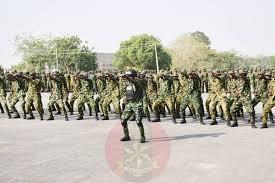
Nigerian military personnel have arrested several suspected logistics suppliers linked to the Boko Haram insurgency, alongside other criminal suspects, during a series of security operations in Borno State.
The arrests form part of ongoing counterterrorism efforts aimed at dismantling support networks that provide resources, transportation, supplies, and intelligence to insurgent groups operating in the North-East.
Military authorities indicated that the operation targeted individuals believed to be involved in sustaining terrorist activities through the provision of logistical support, a critical component of insurgent operations.
The latest development underscores the military's continued focus on disrupting not only armed fighters but also the networks that facilitate their activities.
Crackdown on Terrorist Support Networks
Security experts have long emphasized that insurgent groups rely heavily on logistics networks to sustain operations.
These networks often involve individuals responsible for supplying food, fuel, transportation, communication equipment, and other materials used by terrorist groups.
By targeting suspected suppliers and facilitators, security agencies aim to weaken the operational capacity of insurgent organizations and limit their ability to conduct attacks.
Military officials stated that the arrests were carried out during intelligence-driven operations across parts of Borno State, a region that has remained a focal point of Nigeria's counterinsurgency campaign for more than a decade.
Importance of Logistics in Counterterrorism Operations
Counterterrorism specialists note that disrupting supply chains is often as important as confronting armed fighters directly.
Insurgent groups depend on access to:
- Food and essential supplies.
- Transportation networks.
- Fuel and energy resources.
- Communication channels.
- Financial support systems.
When these networks are disrupted, the ability of terrorist organizations to recruit, move personnel, and launch attacks can be significantly reduced.
Security analysts therefore view operations targeting logistics providers as an important element of broader military strategy.
Boko Haram Insurgency in North-East Nigeria
The insurgency involving Boko Haram has remained one of Nigeria's most significant security challenges for more than a decade.
The conflict has affected several states in the North-East, particularly Borno State, which has experienced repeated attacks, population displacement, and humanitarian challenges.
According to international humanitarian organizations, millions of people have been affected by the conflict through displacement, loss of livelihoods, and disruptions to essential services.
Over the years, Nigerian security forces have conducted numerous operations aimed at reclaiming territory, dismantling insurgent camps, and protecting civilian populations.
While significant gains have been recorded, security agencies continue to face challenges posed by remnants of insurgent networks and affiliated groups.
Borno Remains Strategic to Security Operations
Borno State occupies a central position in Nigeria's fight against insurgency.
The state's vast terrain, proximity to international borders, and historical role in the conflict have made it a key operational zone for military and security agencies.
Authorities have continued to strengthen surveillance, intelligence gathering, and joint operations in the region in an effort to prevent terrorist activities and enhance public safety.
The latest arrests are seen as part of broader efforts to deny insurgents access to resources and support systems.
Other Criminal Suspects Arrested
In addition to the suspected logistics suppliers, military authorities reported the arrest of other individuals allegedly connected to criminal activities within the state.
Although details of specific allegations may be subject to ongoing investigations, officials stated that security operations continue to target a range of threats affecting communities across the region.
Security experts note that criminal activities such as arms trafficking, smuggling, and illegal supply networks can sometimes overlap with insurgent operations, making coordinated enforcement efforts particularly important.
Reactions from Security Analysts
Security analysts have welcomed efforts to target the support structures that enable insurgent groups to operate.
According to experts, military successes against terrorist organizations are often more sustainable when support networks are dismantled alongside combat operations.
Analysts also stress the importance of intelligence gathering and community cooperation in identifying individuals who may be assisting criminal or terrorist groups.
Many observers believe that effective counterterrorism strategies require a combination of military action, intelligence operations, border security measures, and community engagement.
Humanitarian and Community Impact
The continued fight against insurgency remains critical for communities affected by years of violence.
Residents in many parts of the North-East continue to seek greater security, stability, and opportunities for economic recovery.
Improved security conditions can contribute to:
Safe Return of Displaced Persons
Many displaced families hope to return to their communities when security improves.
Economic Recovery
Stable environments encourage farming, trade, and investment activities.
Improved Access to Services
Security allows better delivery of healthcare, education, and humanitarian assistance.
Community Development
Peace and stability are essential for long-term reconstruction efforts.
Stakeholders argue that sustained security gains are vital to rebuilding affected communities.
Ongoing Military Operations
The Nigerian military has continued to conduct operations aimed at neutralizing insurgent threats and protecting civilian populations.
These efforts include:
- Intelligence-led raids.
- Border security operations.
- Surveillance activities.
- Joint security missions.
- Counterterrorism campaigns.
Military authorities have repeatedly emphasized the need for public cooperation in providing information that could assist security agencies in identifying threats.
The suspects arrested during the operation are expected to undergo further investigation in accordance with applicable legal procedures.
Security agencies may seek additional intelligence from the arrests as part of broader efforts to identify and dismantle terrorist support networks.
Authorities are also expected to continue operations across the region to prevent insurgent groups from rebuilding operational capacity.
Observers say sustained pressure on both fighters and support networks will remain essential to long-term security objectives.
The arrest of suspected Boko Haram logistics suppliers and other criminal suspects in Borno State represents another significant step in Nigeria's ongoing efforts to combat insurgency and strengthen security in the North-East.
By targeting the networks that sustain terrorist operations, security agencies hope to further weaken insurgent capabilities and improve safety for affected communities. As investigations continue, the operation highlights the importance of intelligence-driven strategies in addressing complex security challenges across the region.